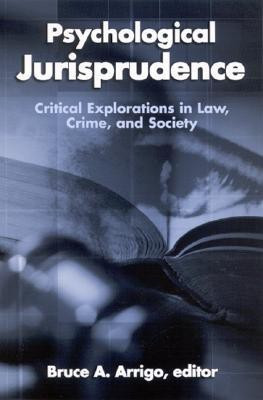
Psychological Jurisprudence(English, Hardcover, unknown)
- unknown
Paperback & Hardcover deals ―
Amazon IndiaGOFlipkart ₹ 2880SnapdealGOSapnaOnlineGOJain Book AgencyGOBooks Wagon₹535Book ChorGOCrosswordGODC BooksGOe-book & Audiobook deals ―
Amazon India GOGoogle Play Books GOAudible GO* Price may vary from time to time.
* GO = We're not able to fetch the price (please check manually visiting the website).
Know about the book -
Psychological Jurisprudence(English, Hardcover, unknown) is written by unknown and published by State University of New York Press. It's available with International Standard Book Number or ISBN identification 0791461513 (ISBN 10) and 9780791461518 (ISBN 13).
A critical look at the relationship between law and psychology. Psychological jurisprudence-or the use of psychology in the legal realm-relies on theories and methods of criminal justice and mental health to make decisions about intervention, policy, and programming. While the intentions behind the law-psychology field are humane, the results often are not. This book provides a "radical" agenda for psychological jurisprudence, one that relies on the insights of literary criticism, psychoanalysis, feminist theory, political economy analysis, postmodernism, and related strains of critical thought. Contributors reveal the roots of psycholegal logic and demonstrate how citizen justice and structural reform are displaced by so-called science and facts. A number of complex issues in the law-psychology field are addressed, including forensic mental health decision-making, parricide, competency to stand trial, adolescent identity development, penal punitiveness, and offender rehabilitation. In exploring how the current resolution to these and related controversies fail to promote the dignity or empowerment of persons with mental illness, this book suggests how the law-psychology field can meaningfully contribute to advancing the goals of justice and humanism in psycholegal theory, research, and policy.
