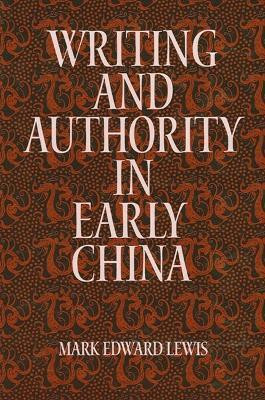
Writing and Authority in Early China(English, Paperback, Lewis Mark Edward)
- Lewis Mark Edward
Paperback & Hardcover deals ―
Amazon IndiaGOFlipkart ₹ 2787SnapdealGOSapnaOnlineGOJain Book AgencyGOBooks Wagon₹143Book ChorGOCrosswordGODC BooksGOe-book & Audiobook deals ―
Amazon India GOGoogle Play Books GOAudible GO* Price may vary from time to time.
* GO = We're not able to fetch the price (please check manually visiting the website).
Know about the book -
Writing and Authority in Early China(English, Paperback, Lewis Mark Edward) is written by Lewis Mark Edward and published by State University of New York Press. It's available with International Standard Book Number or ISBN identification 0791441148 (ISBN 10) and 9780791441145 (ISBN 13).
Traces the evolving uses of writing to command assent and authority in early China, an evolution that culminated in the establishment of a textual canon as the basis of imperial authority. This book traces the evolving uses of writing to command assent and obedience in early China, an evolution that culminated in the establishment of a textual canon as the foundation of imperial authority. Its central theme is the emergence of this body of writings as the textual double of the state, and of the text-based sage as the double of the ruler. The book examines the full range of writings employed in early China, such as divinatory records, written communications with ancestors, government documents, the collective writings of philosophical and textual traditions, speeches attributed to historical figures, chronicles, verse anthologies, commentaries, and encyclopedic compendia. Lewis shows how these writings served to administer populations, control officials, form new social groups, invent new models of authority, and create an artificial language whose mastery generated power and whose graphs became potent objects. Writing and Authority in Early China traces the enterprise of creating a parallel reality within texts that depicted the entire world. These texts provided models for the invention of a world empire, and one version ultimately became the first state canon of imperial China. This canon served to perpetuate the dream and the reality of the imperial system across the centuries.
