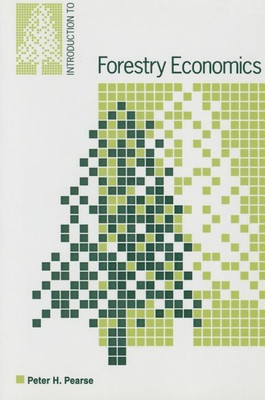
Introduction to Forestry Economics(English, Paperback, Pearse Peter H.)
- Pearse Peter H.
Paperback & Hardcover deals ―
Amazon IndiaGOFlipkart ₹ 3508SnapdealGOSapnaOnlineGOJain Book AgencyGOBooks Wagon₹144Book ChorGOCrosswordGODC BooksGOe-book & Audiobook deals ―
Amazon India GOGoogle Play Books GOAudible GO* Price may vary from time to time.
* GO = We're not able to fetch the price (please check manually visiting the website).
Know about the book -
Introduction to Forestry Economics(English, Paperback, Pearse Peter H.) is written by Pearse Peter H. and published by University of British Columbia Press. It's available with International Standard Book Number or ISBN identification 0774803363 (ISBN 10) and 9780774803366 (ISBN 13).
'Forestry involves using land, labour and capital to producegoods and services from forests, and economics helps in understandinghow we can do this in ways that will best meet the needs ofpeople.' -- from the Preface This important new textbook is designed to fit the needs of studentsin a second-year course in forestry economics. It assumes completion ofan introductory course in economics. The author is Peter H. Pearse, aninternationally recognized natural resource economist. He teachesundergraduate courses at the University of British Columbia andunderstands the need for a book such as this. Pearse was motivated by a conviction that a firm grounding ineconomics is integral to sound forestry policies and practices. Becauseforestry students are sometimes skeptical about the usefulness ofeconomics to their future careers, Pearse has 'distilled thesubject down to the fundamentals, the basic economic principles offorestry and how they bear on forest management and policydecisions.' He emphasizes concepts that foresters will find mostuseful throughout their careers. Introduction to Forestry Economics looks at the applicationof economic principles to both private and public sector forestrydecision-making. While the text covers basic principles such asopportunity cost, equimarginal conditions, and consumer sovereignty, italso provides an excellent discussion of resource allocation overtime.
