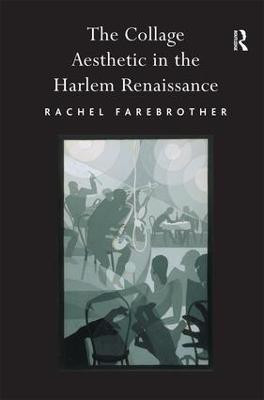
The Collage Aesthetic in the Harlem Renaissance(English, Hardcover, Farebrother Rachel)
- Farebrother Rachel
Paperback & Hardcover deals ―
Amazon IndiaGOFlipkart ₹ 3910SnapdealGOSapnaOnlineGOJain Book AgencyGOBooks Wagon₹1,451Book ChorGOCrosswordGODC BooksGOe-book & Audiobook deals ―
Amazon India GOGoogle Play Books GOAudible GO* Price may vary from time to time.
* GO = We're not able to fetch the price (please check manually visiting the website).
Know about the book -
The Collage Aesthetic in the Harlem Renaissance(English, Hardcover, Farebrother Rachel) is written by Farebrother Rachel and published by Taylor & Francis Ltd. It's available with International Standard Book Number or ISBN identification 0754661989 (ISBN 10) and 9780754661986 (ISBN 13).
Beginning with a subtle and persuasive analysis of the cultural context, Farebrother examines collage in modernist and Harlem Renaissance figurative art and unearths the collage sensibility attendant in Franz Boas's anthropology. This strategy makes explicit the formal choices of Harlem Renaissance writers by examining them in light of African American vernacular culture and early twentieth-century discourses of anthropology, cultural nationalism and international modernism. At the same time, attention to the politics of form in such texts as Toomer's Cane, Locke's The New Negro and selected works by Hurston reveals that the production of analogies, juxtapositions, frictions and distinctions on the page has aesthetic, historical and political implications. Why did these African American writers adopt collage form during the Harlem Renaissance? What did it allow them to articulate? These are among the questions Farebrother poses as she strives for a middle ground between critics who view the Harlem Renaissance as a distinctive, and necessarily subversive, kind of modernism and those who foreground the cooperative nature of interracial creative work during the period. A key feature of her project is her exploration of neglected connections between Euro-American modernism and the Harlem Renaissance, a journey she negotiates while never losing sight of the particularity of African American experience. Ambitious and wide-ranging, Rachel Farebrother's book offers us a fresh lens through which to view this crucial moment in American culture.
