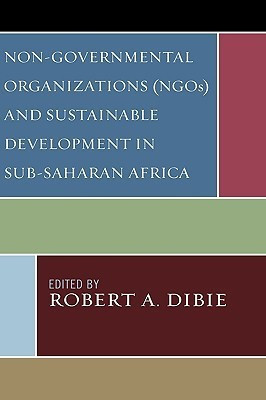
Non-Governmental Organizations (NGOs) and Sustainable Development in Sub-Saharan Africa(English, Hardcover, unknown)
- unknown
Paperback & Hardcover deals ―
Amazon IndiaGOFlipkart ₹ 15248SnapdealGOSapnaOnlineGOJain Book AgencyGOBooks Wagon₹2,385Book ChorGOCrosswordGODC BooksGOe-book & Audiobook deals ―
Amazon India GOGoogle Play Books GOAudible GO* Price may vary from time to time.
* GO = We're not able to fetch the price (please check manually visiting the website).
Know about the book -
Non-Governmental Organizations (NGOs) and Sustainable Development in Sub-Saharan Africa(English, Hardcover, unknown) is written by unknown and published by Bloomsbury Publishing Plc. It's available with International Standard Book Number or ISBN identification 0739116533 (ISBN 10) and 9780739116531 (ISBN 13).
This book examines the role of NGOs in development projects on the African continent. It explores the challenges and the contradictions in the relationship between the NGOs, the supporting agencies, and the African people. It is intended to provide guidance for civil society organizations and their client groups who struggle to find viable means to collaborate with NGOs, the private sector, and public sector. This books argues that increased knowledge and cooperation is essential to the achievement of sustainable development. Therefore, community based organizations and public servants must consider whether they possess the necessary resources as well as the economic opportunities before they embark on any activity. Sustainable development activities might not be useful or reasonable for every rural community in Africa. One thing is very clear; the forces of globalization or sustainable development do not respect cultural boundaries. This book clearly states that for African nations to succeed they must find alternatives to centralized powers of national government. In addition, this book examines the transformation of several sub-Saharan African nations in the twenty-first century. African nations must reevaluate their concept of leadership, which rests on the notion that good leaders are born, not made. Therefore, there should be a greater emphasis on the development of political and managerial skills through formal education and industrial training. NGOs and civil societies could play a vital role in this transformation and, therefore, the future of Africa.
