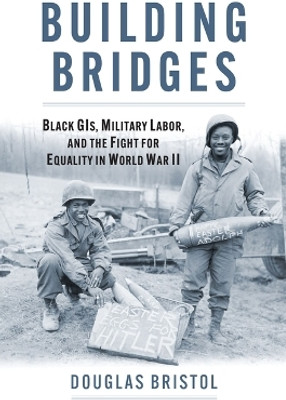
Building Bridges(English, Hardcover, Jr. Douglas Walter Bristol,)
- Jr. Douglas Walter Bristol,
Paperback & Hardcover deals ―
Amazon IndiaGOFlipkart ₹ 4972SnapdealGOSapnaOnlineGOJain Book AgencyGOBooks Wagon₹303Book ChorGOCrosswordGODC BooksGOe-book & Audiobook deals ―
Amazon India GOGoogle Play Books GOAudible GO* Price may vary from time to time.
* GO = We're not able to fetch the price (please check manually visiting the website).
Know about the book -
Building Bridges(English, Hardcover, Jr. Douglas Walter Bristol,) is written by Jr. Douglas Walter Bristol, and published by University Press of Kansas. It's available with International Standard Book Number or ISBN identification 0700639004 (ISBN 10) and 9780700639007 (ISBN 13).
The previously overlooked story of how the labor of Black GIs helped win the war and advanced racial integration in the US armed forces. More than 80 percent of Black GIs in World War II served behind the front lines. At the beginning of the war, segregation policies maintained physical separation of Black and white GIs and only allowed Black soldiers to do simple, menial work, maintaining a false sense of racial inferiority. But the mechanization of armed forces during World War II demanded more skilled laborers behind the front lines. The Army Service Forces, created in March 1942, turned to Black GIs to solve the serious manpower shortage and trained them for jobs previously done only by white GIs. In Building Bridges, author Douglas Bristol tells the story of how military necessity led to unprecedented changes in the employment of Black troops. These changes had unanticipated consequences. American military leaders adopted a new racial discourse that emphasized the rights and potential of Black GIs. The new opportunities also exposed racial discrimination, giving Black GIs and their allies more leverage to demand better treatment. Black GIs built bridges, roads, and runways. They repaired engines and radios. They transported bombs, bullets, food, gasoline, and water to hard-pressed soldiers on the front lines. Their numbers, skills, and necessity only grew as the war continued. By the end of the World War II, Black GIs had cracked the glass ceiling in the racialized military hierarchy behind the front lines and became indispensable to keeping the American war machine running around the globe.
