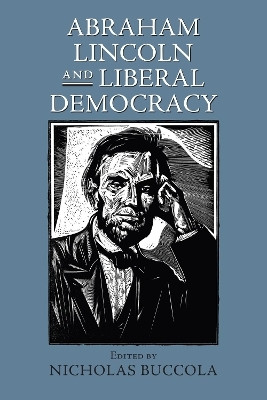
Abraham Lincoln and Liberal Democracy(English, Paperback, unknown)
- unknown
Paperback & Hardcover deals ―
Amazon IndiaGOFlipkart ₹ 2576SnapdealGOSapnaOnlineGOJain Book AgencyGOBooks Wagon₹489Book ChorGOCrosswordGODC BooksGOe-book & Audiobook deals ―
Amazon India GOGoogle Play Books GOAudible GO* Price may vary from time to time.
* GO = We're not able to fetch the price (please check manually visiting the website).
Know about the book -
Abraham Lincoln and Liberal Democracy(English, Paperback, unknown) is written by unknown and published by University Press of Kansas. It's available with International Standard Book Number or ISBN identification 0700622179 (ISBN 10) and 9780700622177 (ISBN 13).
Though Abraham Lincoln was not a political philosopher per se, in word and in deed he did grapple with many of the most pressing and timeless questions in politics. What is the moral basis ofpopular sovereignty? What are the proper limits on the will of the majority? When and why should we revere the law? What are we to do when the letter of the law is at odds with what we believe justice requires? How is our devotion to a particular nation related to our commitment to universal ideals? What is the best way to protect theright to liberty for all people? The contributors to this volume, a methodologically and ideologically diverse group of scholars,examine Lincoln's responses to these and other ultimate questions in politics. The result is a fascinating portrait of not only Abraham Lincoln but also the promises and paradoxes of liberal democracy. The basic liberal democratic idea is that individual liberty is best secured by a democratic political order that treats all citizens as equals before the law and is governed by the law, with its limits on how the state may treat its citizens and on how citizens may treat one another. Though wonderfully coherent in theory, these ideasprove problematic in real-world politics. The authors of this volume approach Lincoln as the embodiment of this paradox-"naturally antislavery" yet unflinchingly committed to defending proslavery laws; defender of the common man but troubled by the excesses of democracy; devoted to the idea of equal natural rights yet unable to imagine a harmonious, interracial democracy. Considering Lincoln as he attempted to work out the meaning and coherence of the liberal democratic project in practice, these authors craft a profile of the 16th president's political thought from a variety of perspectives and through multiple lenses. Together their essays create the first fully-dimensional portrait of Abraham Lincoln as a political actor, expressing, addressing, and reframing the perennial questions of liberal democracy for his time and our own.
