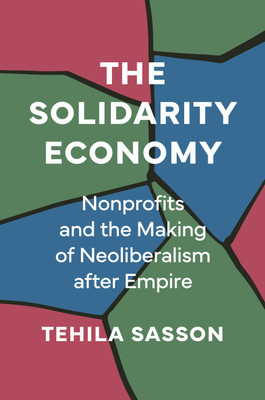
The Solidarity Economy(English, Hardcover, Sasson Tehila)
- Sasson Tehila
Paperback & Hardcover deals ―
Amazon IndiaGOFlipkart ₹ 5568SnapdealGOSapnaOnlineGOJain Book AgencyGOBooks Wagon₹1,469Book ChorGOCrosswordGODC BooksGOe-book & Audiobook deals ―
Amazon India GOGoogle Play Books GOAudible GO* Price may vary from time to time.
* GO = We're not able to fetch the price (please check manually visiting the website).
Know about the book -
The Solidarity Economy(English, Hardcover, Sasson Tehila) is written by Sasson Tehila and published by Princeton University Press. It's available with International Standard Book Number or ISBN identification 0691250383 (ISBN 10) and 9780691250380 (ISBN 13).
The untold story of the role of humanitarian NGOs in building the neoliberal order after empire After India gained independence in 1947, Britain reinvented its role in the global economy through nongovernmental aid organizations. Utilizing existing imperial networks and colonial bureaucracy, the nonprofit sector sought an ethical capitalism, one that would equalize relationships between British consumers and Third World producers as the age of empire was ending. The Solidarity Economy examines the role of nonstate actors in the major transformations of the world economy in the postwar era, showing how British NGOs charted a path to neoliberalism in their pursuit of ethical markets. Between the 1950s and 1990s, nonprofits sought to establish an alternative to Keynesianism through their welfare and development programs. Encouraging the fair trade of commodities and goods through microfinance, consumer boycotts, and corporate social responsibility, these programs emphasized decentralization, privatization, and entrepreneurship. Tehila Sasson tells the stories of the activists, economists, politicians, and businessmen who reimagined the marketplace as a workshop for global reform. She reveals how their ideas, though commonly associated with conservative neoliberal policies, were part of a nonprofit-driven endeavor by the liberal left to envision markets as autonomous and humanizing spaces, facilitating ethical relationships beyond the impersonal realm of the state. Drawing on dozens of newly available repositories from nongovernmental, international, national, and business archives, The Solidarity Economy reconstructs the political economy of these markets-from handicrafts and sugar to tea and coffee-shedding critical light on the postimperial origins of neoliberalism.
