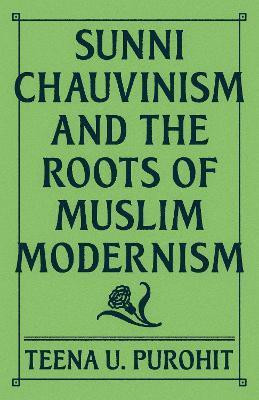
Sunni Chauvinism and the Roots of Muslim Modernism(English, Hardcover, Purohit Teena U.)
- Purohit Teena U.
Paperback & Hardcover deals ―
Amazon IndiaGOFlipkart ₹ 4447SnapdealGOSapnaOnlineGOJain Book AgencyGOBooks Wagon₹682Book ChorGOCrosswordGODC BooksGOe-book & Audiobook deals ―
Amazon India GOGoogle Play Books GOAudible GO* Price may vary from time to time.
* GO = We're not able to fetch the price (please check manually visiting the website).
Know about the book -
Sunni Chauvinism and the Roots of Muslim Modernism(English, Hardcover, Purohit Teena U.) is written by Purohit Teena U. and published by Princeton University Press. It's available with International Standard Book Number or ISBN identification 0691241643 (ISBN 10) and 9780691241647 (ISBN 13).
Muslim intellectuals who sought to establish the boundaries of modern Muslim identity Muslim modernism was a political and intellectual movement that sought to redefine the relationship between Islam and the colonial West in the late nineteenth and early twentieth centuries. Spearheaded by Muslim leaders in Asia and the Middle East, the modernist project arose from a desire to reconcile Islamic beliefs and practices with European ideas of secularism, scientific progress, women's rights, and democratic representation. Teena Purohit provides innovative readings of the foundational thinkers of Muslim modernism, showing how their calls for unity and reform led to the marginalization of Muslim minority communities that is still with us today. Sunni Chauvinism and the Roots of Muslim Modernism offers fresh perspectives on figures such as Jamal al-Din al-Afghani, Muhammad Abduh, Muhammad Iqbal, and Abul A'la Mawdudi. It sheds light on the exclusionary impulses and Sunni normative biases of modernist Muslim writers and explores how their aim to unite the global Muslim community-which was stagnant and fragmented in their eyes-also created lasting divisions. While modernists claimed to represent all Muslims when they asserted the centrality and significance of unity, they questioned the status of groups such as Ahmadis, Bahais, and the Shia more broadly. Addressing timely questions about religious authority and reform in modern Islam, this incisive book reveals how modernist notions of Islam as a single homogeneous tradition gave rise to enduring debates about who belongs to the Muslim community and who should be excluded.
