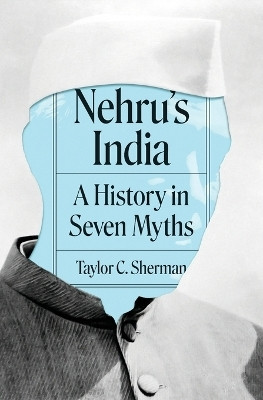
Nehru's India(English, Paperback, Sherman Taylor C.)
- Sherman Taylor C.
Paperback & Hardcover deals ―
Amazon IndiaGOFlipkart ₹ 3011SnapdealGOSapnaOnlineGOJain Book AgencyGOBooks Wagon₹525Book ChorGOCrosswordGODC BooksGOe-book & Audiobook deals ―
Amazon India GOGoogle Play Books GOAudible GO* Price may vary from time to time.
* GO = We're not able to fetch the price (please check manually visiting the website).
Know about the book -
Nehru's India(English, Paperback, Sherman Taylor C.) is written by Sherman Taylor C. and published by Princeton University Press. It's available with International Standard Book Number or ISBN identification 0691227233 (ISBN 10) and 9780691227238 (ISBN 13).
An iconoclastic history of the first two decades after independence in India Nehru's India brings a provocative but nuanced set of new interpretations to the history of early independent India. Drawing from her extensive research over the past two decades, Taylor Sherman reevaluates the role of Jawaharlal Nehru, India's first prime minister, in shaping the nation. She argues that the notion of Nehru as the architect of independent India, as well as the ideas, policies, and institutions most strongly associated with his premiership-nonalignment, secularism, socialism, democracy, the strong state, and high modernism-have lost their explanatory power. They have become myths. Sherman examines seminal projects from the time and also introduces readers to little-known personalities and fresh case studies, including India's continued engagement with overseas Indians, the importance of Buddhism in secular India, the transformations in industry and social life brought about by bicycles, a riotous and ultimately doomed attempt to prohibit the consumption of alcohol in Bombay, the early history of election campaign finance, and the first state-sponsored art exhibitions. The author also shines a light on underappreciated individuals, such as Apa Pant, the charismatic diplomat who influenced foreign policy from Kenya to Tibet, and Urmila Eulie Chowdhury, the rebellious architect who helped oversee the building of Chandigarh. Tracing and critiquing developments in this formative period in Indian history, Nehru's India offers a fresh and definitive exploration of the nation's early postcolonial era.
