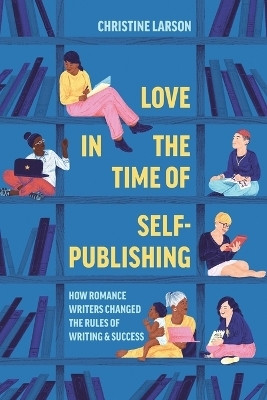
Love in the Time of Self-Publishing(English, Paperback, Larson Christine M.)
- Larson Christine M.
Paperback & Hardcover deals ―
Amazon IndiaGOFlipkart ₹ 2433SnapdealGOSapnaOnlineGOJain Book AgencyGOBooks Wagon₹239Book ChorGOCrosswordGODC BooksGOe-book & Audiobook deals ―
Amazon India GOGoogle Play Books GOAudible GO* Price may vary from time to time.
* GO = We're not able to fetch the price (please check manually visiting the website).
Know about the book -
Love in the Time of Self-Publishing(English, Paperback, Larson Christine M.) is written by Larson Christine M. and published by Princeton University Press. It's available with International Standard Book Number or ISBN identification 0691217416 (ISBN 10) and 9780691217413 (ISBN 13).
Lessons in creative labor, solidarity, and inclusion under precarious economic conditions As writers, musicians, online content creators, and other independent workers fight for better labor terms, romance authors offer a powerful example-and a cautionary tale-about self-organization and mutual aid in the digital economy. In Love in the Time of Self-Publishing, Christine Larson traces the forty-year history of Romancelandia, a sprawling network of romance authors, readers, editors, and others, who formed a unique community based on openness and collective support. Empowered by solidarity, American romance writers-once disparaged literary outcasts-became digital publishing's most innovative and successful authors. Meanwhile, a new surge of social media activism called attention to Romancelandia's historic exclusion of romance authors of color and LGBTQ+ writers, forcing a long-overdue cultural reckoning. Drawing on the largest-known survey of any literary genre as well as interviews and archival research, Larson shows how romance writers became the only authors in America to make money from the rise of ebooks-increasing their median income by 73 percent while other authors' plunged by 40 percent. The success of romance writers, Larson argues, demonstrates the power of alternative forms of organizing influenced by gendered working patterns. It also shows how networks of relationships can amplify-or mute-certain voices. Romancelandia's experience, Larson says, offers crucial lessons about solidarity for creators and other isolated workers in an increasingly risky employment world. Romancelandia's rise and near-meltdown shows that gaining fair treatment from platforms depends on creator solidarity-but creator solidarity, in turn, depends on fair treatment of all members.
