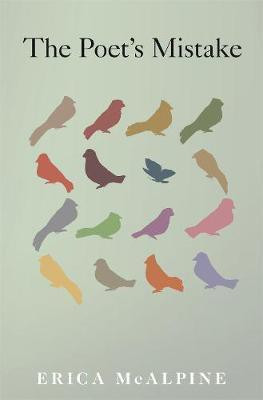
The Poet's Mistake(English, Paperback, McAlpine Erica)
- McAlpine Erica
Paperback & Hardcover deals ―
Amazon IndiaGOFlipkart ₹ 4834SnapdealGOSapnaOnlineGOJain Book AgencyGOBooks Wagon₹364Book ChorGOCrosswordGODC BooksGOe-book & Audiobook deals ―
Amazon India GOGoogle Play Books GOAudible GO* Price may vary from time to time.
* GO = We're not able to fetch the price (please check manually visiting the website).
Know about the book -
The Poet's Mistake(English, Paperback, McAlpine Erica) is written by McAlpine Erica and published by Princeton University Press. It's available with International Standard Book Number or ISBN identification 0691203490 (ISBN 10) and 9780691203492 (ISBN 13).
What our tendency to justify the mistakes in poems reveals about our faith in poetry-and about how we read Keats mixed up Cortez and Balboa. Heaney misremembered the name of one of Wordsworth's lakes. Poetry-even by the greats-is rife with mistakes. In The Poet's Mistake, critic and poet Erica McAlpine gathers together for the first time numerous instances of these errors, from well-known historical gaffes to never-before-noticed grammatical incongruities, misspellings, and solecisms. But unlike the many critics and other readers who consider such errors felicitous or essential to the work itself, she makes a compelling case for calling a mistake a mistake, arguing that denying the possibility of error does a disservice to poets and their poems. Tracing the temptation to justify poets' errors from Aristotle through Freud, McAlpine demonstrates that the study of poetry's mistakes is also a study of critical attitudes toward mistakes, which are usually too generous-and often at the expense of the poet's intentions. Through remarkable close readings of Wordsworth, Keats, Browning, Clare, Dickinson, Crane, Bishop, Heaney, Ashbery, and others, The Poet's Mistake shows that errors are an inevitable part of poetry's making and that our responses to them reveal a great deal about our faith in poetry-and about how we read.
