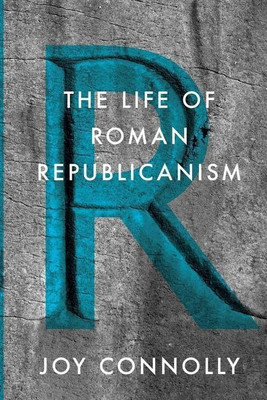
The Life of Roman Republicanism(English, Paperback, Connolly Joy)
- Connolly Joy
Paperback & Hardcover deals ―
Amazon IndiaGOFlipkart ₹ 4287SnapdealGOSapnaOnlineGOJain Book AgencyGOBooks Wagon₹315Book ChorGOCrosswordGODC BooksGOe-book & Audiobook deals ―
Amazon India GOGoogle Play Books GOAudible GO* Price may vary from time to time.
* GO = We're not able to fetch the price (please check manually visiting the website).
Know about the book -
The Life of Roman Republicanism(English, Paperback, Connolly Joy) is written by Connolly Joy and published by Princeton University Press. It's available with International Standard Book Number or ISBN identification 069117637X (ISBN 10) and 9780691176376 (ISBN 13).
In recent years, Roman political thought has attracted increased attention as intellectual historians and political theorists have explored the influence of the Roman republic on major thinkers from the Renaissance to the Enlightenment. Held up as a "third way" between liberalism and communitarianism, neo-Roman republicanism promises useful, persuasive accounts of civic virtue, justice, civility, and the ties that bind citizens. But republican revivalists, embedded in modern liberal, democratic, and constitutional concerns, almost never engage closely with Roman texts. The Life of Roman Republicanism takes up that challenge. With an original combination of close reading and political theory, Joy Connolly argues that Cicero, Sallust, and Horace inspire fresh thinking about central concerns of contemporary political thought and action. These include the role of conflict in the political community, especially as it emerges from class differences; the necessity of recognition for an equal and just society; the corporeal and passionate aspects of civic experience; citizens' interdependence on one another for senses of selfhood; and the uses and dangers of self-sovereignty and fantasy.Putting classicists and political theorists in dialogue, the book also addresses a range of modern thinkers, including Kant, Hannah Arendt, Stanley Cavell, and Philip Pettit. Together, Connolly's readings construct a new civic ethos of advocacy, self-criticism, embodied awareness, imagination, and irony.
