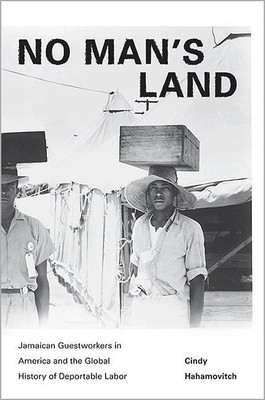
No Man's Land(English, Paperback, Hahamovitch Cindy)
- Hahamovitch Cindy
Paperback & Hardcover deals ―
Amazon IndiaGOFlipkart ₹ 3572SnapdealGOSapnaOnlineGOJain Book AgencyGOBooks Wagon₹138Book ChorGOCrosswordGODC BooksGOe-book & Audiobook deals ―
Amazon India GOGoogle Play Books GOAudible GO* Price may vary from time to time.
* GO = We're not able to fetch the price (please check manually visiting the website).
Know about the book -
No Man's Land(English, Paperback, Hahamovitch Cindy) is written by Hahamovitch Cindy and published by Princeton University Press. It's available with International Standard Book Number or ISBN identification 0691160155 (ISBN 10) and 9780691160153 (ISBN 13).
From South Africa in the nineteenth century to Hong Kong today, nations around the world, including the United States, have turned to guestworker programs to manage migration. These temporary labor recruitment systems represented a state-brokered compromise between employers who wanted foreign workers and those who feared rising numbers of immigrants. Unlike immigrants, guestworkers couldn't settle, bring their families, or become citizens, and they had few rights. Indeed, instead of creating a manageable form of migration, guestworker programs created an especially vulnerable class of labor. Based on a vast array of sources from U.S., Jamaican, and English archives, as well as interviews, No Man's Land tells the history of the American "H2" program, the world's second oldest guestworker program. Since World War II, the H2 program has brought hundreds of thousands of mostly Jamaican men to the United States to do some of the nation's dirtiest and most dangerous farmwork for some of its biggest and most powerful agricultural corporations, companies that had the power to import and deport workers from abroad.Jamaican guestworkers occupied a no man's land between nations, protected neither by their home government nor by the United States. The workers complained, went on strike, and sued their employers in class action lawsuits, but their protests had little impact because they could be repatriated and replaced in a matter of hours. No Man's Land puts Jamaican guestworkers' experiences in the context of the global history of this fast-growing and perilous form of labor migration.
