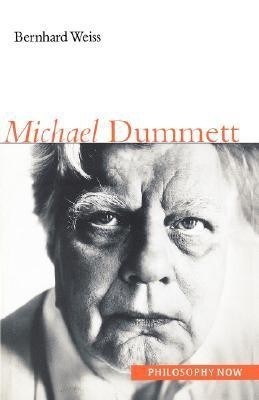
Michael Dummett(English, Paperback, Weiss Bernhard)
- Weiss Bernhard
Paperback & Hardcover deals ―
Amazon IndiaGOFlipkart ₹ 5521SnapdealGOSapnaOnlineGOJain Book AgencyGOBooks Wagon₹4,782Book ChorGOCrosswordGODC BooksGOe-book & Audiobook deals ―
Amazon India GOGoogle Play Books GOAudible GO* Price may vary from time to time.
* GO = We're not able to fetch the price (please check manually visiting the website).
Know about the book -
Michael Dummett(English, Paperback, Weiss Bernhard) is written by Weiss Bernhard and published by Princeton University Press. It's available with International Standard Book Number or ISBN identification 0691113300 (ISBN 10) and 9780691113302 (ISBN 13).
No one seriously interested in the philosophy of language can afford to ignore the work of Michael Dummett (b. 1925). Dummett's approach to the metaphysical issue of realism through the philosophy of language, his challenge to realism, and his philosophy of language itself are central topics in contemporary analytic philosophy and have influenced the work of other major figures such as Quine, Putnam, and Davidson. This book offers, in an accessible and no-nonsense manner, a systematic presentation of the main elements of Dummett's pivotal contribution to contemporary philosophy. Its overarching theme is his discussion of realism: Bernhard Weiss explores the philosopher's characterization of realism, his attack on realism, and his invention and exploration of the anti-realist position. The book begins by examining Dummett's views on language. Only against that setting can one fully appreciate his conception of the realism issue. With this in place, Weiss returns to Dummett's views on the nature of meaning and understanding to unfold his challenge to realism. Weiss devotes the remainder of the book to examining the anti-realist position.He discusses anti-realist theories of meaning and then investigates anti-realism's revisionary consequences. Finally, he engages with Dummett's discussion of two difficult challenges for the anti-realist: the past and mathematics. Dummett is one of the most influential philosophers of modern times. This book is a sympathetic and accessible study, aiming not only to expose but to engage both with Dummett's philosophical thought and with his philosophical character.
