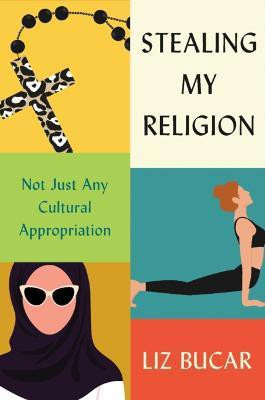
Stealing My Religion(English, Hardcover, Bucar Liz)
- Bucar Liz
Paperback & Hardcover deals ―
Amazon IndiaGOFlipkart ₹ 2932SnapdealGOSapnaOnlineGOJain Book AgencyGOBooks Wagon₹433Book ChorGOCrosswordGODC BooksGOe-book & Audiobook deals ―
Amazon India GOGoogle Play Books GOAudible GO* Price may vary from time to time.
* GO = We're not able to fetch the price (please check manually visiting the website).
Know about the book -
Stealing My Religion(English, Hardcover, Bucar Liz) is written by Bucar Liz and published by Harvard University Press. It's available with International Standard Book Number or ISBN identification 0674987039 (ISBN 10) and 9780674987036 (ISBN 13).
From sneaker ads and the "solidarity hijab" to yoga classes and secular hikes along the Camino de Santiago pilgrimage route, the essential guide to the murky ethics of religious appropriation. We think we know cultural appropriation when we see it. Blackface or Native American headdresses as Halloween costumes-these clearly give offense. But what about Cardi B posing as the Hindu goddess Durga in a Reebok ad, AA's twelve-step invocation of God, or the earnest namaste you utter at the end of yoga class? Liz Bucar unpacks the ethical dilemmas of a messy form of cultural appropriation: the borrowing of religious doctrines, rituals, and dress for political, economic, and therapeutic reasons. Does borrowing from another's religion harm believers? Who can consent to such borrowings? Bucar sees religion as an especially vexing arena for appropriation debates because faiths overlap and imitate each other and because diversity within religious groups scrambles our sense of who is an insider and who is not. Indeed, if we are to understand why some appropriations are insulting and others benign, we have to ask difficult philosophical questions about what religions really are. Stealing My Religion guides us through three revealing case studies-the hijab as a feminist signal of Muslim allyship, a study abroad "pilgrimage" on the Camino de Santiago, and the commodification of yoga in the West. We see why the Vatican can't grant Rihanna permission to dress up as the pope, yet it's still okay to roll out our yoga mats. Reflecting on her own missteps, Bucar comes to a surprising conclusion: the way to avoid religious appropriation isn't to borrow less but to borrow more-to become deeply invested in learning the roots and diverse meanings of our enthusiasms.
