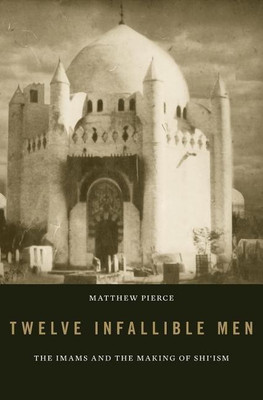
Twelve Infallible Men(English, Hardcover, Pierce Matthew)
- Pierce Matthew
Paperback & Hardcover deals ―
Amazon IndiaGOFlipkart ₹ 843SnapdealGOSapnaOnlineGOJain Book AgencyGOBooks Wagon₹259Book ChorGOCrosswordGODC BooksGOe-book & Audiobook deals ―
Amazon India GOGoogle Play Books GOAudible GO* Price may vary from time to time.
* GO = We're not able to fetch the price (please check manually visiting the website).
Know about the book -
Twelve Infallible Men(English, Hardcover, Pierce Matthew) is written by Pierce Matthew and published by Harvard University Press. It's available with International Standard Book Number or ISBN identification 0674737075 (ISBN 10) and 9780674737075 (ISBN 13).
A millennium ago, Baghdad was the capital of one of history's greatest civilizations. A new Islamic era was under way. Yet despite the profound cultural achievements, many Muslims felt their society had gone astray. Shi?a Muslims challenged the dominant narrative of Islamic success with stories of loss. Faithful Muslims have long debated whether Sunni caliphs or Shi?a imams were the true heirs of the Prophet Muhammad. More influential has been the way Muslim communities remembered those disputes through stories that influenced how to think and feel about them, Matthew Pierce argues. Twelve Infallible Men focuses on the role of narratives of the imams in the development of a distinct Shi?a identity. During the tenth century, at a critical juncture in Islamic history, a group of scholars began assembling definitive works containing accounts of the twelve imams' lives. These collective biographies constructed a sacred history, portraying the imams as strong, beautiful, learned, and pious. Miracles surrounded their birth, and they became miracle workers in turn, but were nevertheless betrayed and martyred by enemies. These biographies inspired and entertained, but more importantly they offered a meaningful narrative of history for Muslims who revered the imams. The accounts invoked shared memories and shaped communal responses and ritual practices of grieving. Mourning the imams' tragic fates helped nascent Shi?a communities resist the pressure to forget their story. The biographies of the imams became a focal point of cultural memory, inspiring Shi?a religious imagination for centuries to come.
