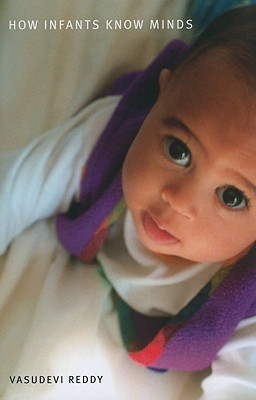
How Infants Know Minds(English, Paperback, Reddy Vasudevi)
- Reddy Vasudevi
Paperback & Hardcover deals ―
Amazon IndiaGOFlipkart ₹ 4918SnapdealGOSapnaOnlineGOJain Book AgencyGOBooks Wagon₹181Book ChorGOCrosswordGODC BooksGOe-book & Audiobook deals ―
Amazon India GOGoogle Play Books GOAudible GO* Price may vary from time to time.
* GO = We're not able to fetch the price (please check manually visiting the website).
Know about the book -
How Infants Know Minds(English, Paperback, Reddy Vasudevi) is written by Reddy Vasudevi and published by Harvard University Press. It's available with International Standard Book Number or ISBN identification 0674046072 (ISBN 10) and 9780674046078 (ISBN 13).
Most psychologists claim that we begin to develop a "theory of mind"-some basic ideas about other people's minds-at age two or three, by inference, deduction, and logical reasoning. But does this mean that small babies are unaware of minds? That they see other people simply as another (rather dynamic and noisy) kind of object? This is a common view in developmental psychology. Yet, as this book explains, there is compelling evidence that babies in the first year of life can tease, pretend, feel self-conscious, and joke with people. Using observations from infants' everyday interactions with their families, Vasudevi Reddy argues that such early emotional engagements show infants' growing awareness of other people's attention, expectations, and intentions. Reddy deals with the persistent problem of "other minds" by proposing a "second-person" solution: we know other minds if we can respond to them. And we respond most richly in engagement with them. She challenges psychology's traditional "detached" stance toward understanding people, arguing that the most fundamental way of knowing minds-both for babies and for adults-is through engagement with them. According to this argument the starting point for understanding other minds is not isolation and ignorance but emotional relation.
