Archipelagic Cinemas(English, Hardcover, Yngvesson Dag S.)
- Yngvesson Dag S.
Paperback & Hardcover deals ―
Amazon IndiaGOFlipkart ₹ 12321SnapdealGOSapnaOnlineGOJain Book AgencyGOBooks Wagon₹2,585Book ChorGOCrosswordGODC BooksGOe-book & Audiobook deals ―
Amazon India GOGoogle Play Books GOAudible GO* Price may vary from time to time.
* GO = We're not able to fetch the price (please check manually visiting the website).
Know about the book -
Archipelagic Cinemas(English, Hardcover, Yngvesson Dag S.) is written by Yngvesson Dag S. and published by University of California Press. It's available with International Standard Book Number or ISBN identification 0520424859 (ISBN 10) and 9780520424852 (ISBN 13).
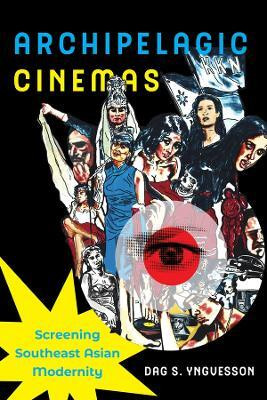
A free ebook version of this title is available through Luminos, University of California Press's Open Access publishing program. Visit www.luminosoa.org to learn more.? Archipelagic Cinemas compares trajectories of cinematic and political development across Southeast Asia from the mid-twentieth century to the present, taking the Indonesian island of Java as a key point of departure. Its "archipelagic" approach reflects a region of tanah air (land-water) where strategies of communication are shaped by the inevitability of difference and constant change. Archipelagic Cinemas foregrounds the outgrowth of local motion pictures from established regional modes of expression, such as touring vernacular theaters, known for their improvised assemblies of narratives and aesthetics from diverse places and times. Similarly, Southeast Asian movies have distinguished themselves by rejecting the imposition of a single, sovereign, or necessarily masculine point of reference. Filmmakers respond to political and social shifts with populist shows of unruliness, mockery, and often horror while challenging binary interpretations of good and evil, self and other, and on- and off-screen space. A common cinematic "matrifocal gaze" takes the blurring of women's and men's roles in the region as a tool of engagement with nationalist contests over gender and power. Together, regional cinemas set the stage for a multifarious modern visuality rooted in the unique, intertwined histories of Southeast Asian nations.
