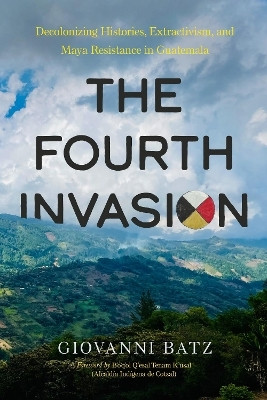
The Fourth Invasion(English, Paperback, Batz Giovanni)
- Batz Giovanni
Paperback & Hardcover deals ―
Amazon IndiaGOFlipkart ₹ 4533SnapdealGOSapnaOnlineGOJain Book AgencyGOBooks Wagon₹349Book ChorGOCrosswordGODC BooksGOe-book & Audiobook deals ―
Amazon India GOGoogle Play Books GOAudible GO* Price may vary from time to time.
* GO = We're not able to fetch the price (please check manually visiting the website).
Know about the book -
The Fourth Invasion(English, Paperback, Batz Giovanni) is written by Batz Giovanni and published by University of California Press. It's available with International Standard Book Number or ISBN identification 0520401735 (ISBN 10) and 9780520401730 (ISBN 13).
A free ebook version of this title is available through Luminos, University of California Press's Open Access publishing program. Visit www.luminosoa.org to learn more. Based on more than a decade of ethnographic research, The Fourth Invasion examines an Ixil Maya community's movement against the construction of one of the largest hydroelectric plants in Guatemala. The arrival of the Palo Viejo hydroelectric plant (built by the Italian corporation Enel Green Power) to the municipality of Cotzal highlighted the ongoing violence inflicted on Ixils by outsiders and the Guatemalan state. Locals referred to the building of the hydroelectric plant as the "new invasion" or "fourth invasion" for its similarity to preceding invasions: Spanish colonization, the creation of the plantation economy, and the state-led genocide during the Guatemalan armed conflict. Through a historical account of cyclical waves of invasions and resistance in Cotzal during the four invasions, Giovanni Batz argues that extractivist industries are a continuation of a colonial logic of extraction based on the displacement and destruction of Indigenous Peoples' territories and values that has existed since the arrival of the Spanish in 1524. The current movements in Cotzal, rooted in a long history of resistance, counter dominant narratives of Indigenous Peoples that often portray them as "conquered."
