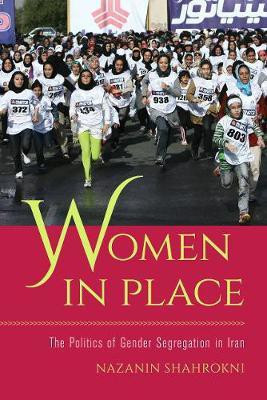
Women in Place(English, Paperback, Shahrokni Nazanin)
- Shahrokni Nazanin
Paperback & Hardcover deals ―
Amazon IndiaGOFlipkart ₹ 4517SnapdealGOSapnaOnlineGOJain Book AgencyGOBooks Wagon₹319Book ChorGOCrosswordGODC BooksGOe-book & Audiobook deals ―
Amazon India GOGoogle Play Books GOAudible GO* Price may vary from time to time.
* GO = We're not able to fetch the price (please check manually visiting the website).
Know about the book -
Women in Place(English, Paperback, Shahrokni Nazanin) is written by Shahrokni Nazanin and published by University of California Press. It's available with International Standard Book Number or ISBN identification 0520304284 (ISBN 10) and 9780520304284 (ISBN 13).
While much has been written about the impact of the 1979 Islamic revolution on life in Iran, discussions about the everyday life of Iranian women have been glaringly missing. Women in Place offers a gripping inquiry into gender segregation policies and women's rights in contemporary Iran. Author Nazanin Shahrokni takes us onto gender-segregated buses, inside a women-only park, and outside the closed doors of stadiums where women are banned from attending men's soccer matches. The Islamic character of the state, she demonstrates, has had to coexist, fuse, and compete with technocratic imperatives, pragmatic considerations regarding the viability of the state, international influences, and global trends. Through a retelling of the past four decades of state policy regulating gender boundaries, Women in Place challenges notions of the Iranian state as overly unitary, ideological, and isolated from social forces and pushes us to contemplate the changing place of women in a social order shaped by capitalism, state-sanctioned Islamism, and debates about women's rights. Shahrokni throws into sharp relief the ways in which the state strives to constantly regulate and contain women's bodies and movements within the boundaries of the "proper" but simultaneously invests in and claims credit for their expanded access to public spaces.
