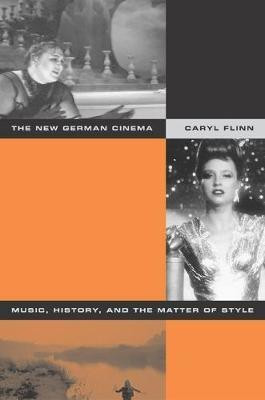
The New German Cinema(English, Paperback, Flinn Caryl)
- Flinn Caryl
Paperback & Hardcover deals ―
Amazon IndiaGOFlipkart ₹ 4535SnapdealGOSapnaOnlineGOJain Book AgencyGOBooks Wagon₹510Book ChorGOCrosswordGODC BooksGOe-book & Audiobook deals ―
Amazon India GOGoogle Play Books GOAudible GO* Price may vary from time to time.
* GO = We're not able to fetch the price (please check manually visiting the website).
Know about the book -
The New German Cinema(English, Paperback, Flinn Caryl) is written by Flinn Caryl and published by University of California Press. It's available with International Standard Book Number or ISBN identification 0520238230 (ISBN 10) and 9780520238237 (ISBN 13).
When New German cinema directors like R. W. Fassbinder, Ulrike Ottinger, and Werner Schroeter explored issues of identity - national, political, personal, and sexual - music and film style played crucial roles. Most studies of the celebrated film movement, however, have sidestepped the role of music, a curious oversight given its importance to German culture and nation formation. Caryl Flinn's study reverses this trend, identifying styles of historical remembrance in which music participates. Flinn concentrates on those styles that urge listeners to interact with difference - including that embodied in Germany's difficult history - rather than to 'master' or 'get past' it. Flinn breaks new ground by considering contemporary reception frameworks of the New German Cinema, a generation after its end. She discusses transnational, cultural, and historical contexts as well as the sexual, ethnic, national, and historical diversity of audiences. Through detailed case studies, she shows how music helps film goers engage with a range of historical subjects and experiences. Each chapter of "The New German Cinema" examines a particular stylistic strategy, assessing music's role in each.The study also examines queer strategies like kitsch and camp and explores the movement's charged construction of human bodies on which issues of ruination, survival, memory, and pleasure are played out.
