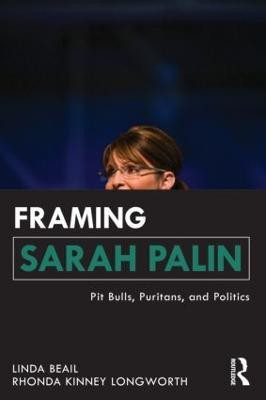
Framing Sarah Palin(English, Paperback, Beail Linda)
- Beail Linda
Paperback & Hardcover deals ―
Amazon IndiaGOFlipkart ₹ 2990SnapdealGOSapnaOnlineGOJain Book AgencyGOBooks Wagon₹1,098Book ChorGOCrosswordGODC BooksGOe-book & Audiobook deals ―
Amazon India GOGoogle Play Books GOAudible GO* Price may vary from time to time.
* GO = We're not able to fetch the price (please check manually visiting the website).
Know about the book -
Framing Sarah Palin(English, Paperback, Beail Linda) is written by Beail Linda and published by Taylor & Francis Ltd. It's available with International Standard Book Number or ISBN identification 0415893364 (ISBN 10) and 9780415893367 (ISBN 13).
Sarah Palin's 2008 vice presidential candidacy garnered tremendous levels of interest, polarizing the American public-both Democrats and Republicans alike. While many have wondered who she "really" is, trying to cut through the persona she projects and the one projected by the media, Beail and Longworth analyze why she touches such a nerve with the American electorate. Why does she ignite such passionate loyalty - and such loathing? How did her candidacy mobilize new parts of the electorate? Using the notion of "framing" as a way of understanding political perception, the authors analyze the narratives told by and about Sarah Palin in the 2008 election - from beauty queen, maverick, faithful fundamentalist and post-feminist role model to pit bull hockey mom, frontier woman, and political outsider. They discuss where those frames are rooted historically in popular and political culture, why they were selected, and the ways that the frames resonated with the electorate. Framing Sarah Palin addresses the question of what the choice and perception of these frames tells us about the state of American politics, and about the status of American women in politics in particular. What do the debates engendered by these images of Palin say about the current roles and power available to women in American society? What are the implications of her experience for future candidates, particularly women candidates, in American politics?
