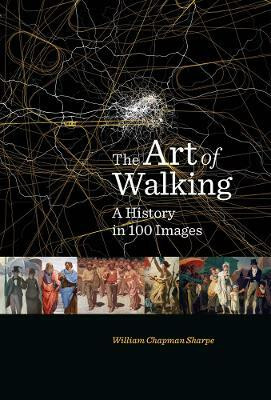
The Art of Walking(English, Hardcover, Sharpe William Chapman)
- Sharpe William Chapman
Paperback & Hardcover deals ―
Amazon IndiaGOFlipkart ₹ 2748SnapdealGOSapnaOnlineGOJain Book AgencyGOBooks Wagon₹354Book ChorGOCrosswordGODC BooksGOe-book & Audiobook deals ―
Amazon India GOGoogle Play Books GOAudible GO* Price may vary from time to time.
* GO = We're not able to fetch the price (please check manually visiting the website).
Know about the book -
The Art of Walking(English, Hardcover, Sharpe William Chapman) is written by Sharpe William Chapman and published by Yale University Press. It's available with International Standard Book Number or ISBN identification 0300266847 (ISBN 10) and 9780300266849 (ISBN 13).
A lively and thought-provoking tour of the intertwined histories of art and walking "A broad-ranging book [that] has something for every rambler."-Benjamin Riley, New Criterion What does a walk look like? In the first book to trace the history of walking images from cave art to contemporary performance, William Chapman Sharpe reveals that a depicted walk is always more than a matter of simple steps. Whether sculpted in stone, painted on a wall, or captured on film, each detail of gait and dress, each stride and gesture has a story to tell, for every aspect of walking is shaped by social practices and environmental conditions. From classical statues to the origins of cinema, from medieval pilgrimages to public parks and the first footsteps on the moon, walking has engendered a vast visual legacy intertwined with the path of Western art. The path includes Romantic nature-walkers and urban flaneurs, as well as protest marchers and cell-phone zombies. It features works by artists such as Botticelli, Raphael, Claude Monet, Norman Rockwell, Agnes Varda, Maya Lin, and Pope.L. In 100 chronologically arranged images, this book shows how new ways of walking have spurred new means of representation, and how walking has permeated our visual culture ever since humans began to depict themselves in art.
