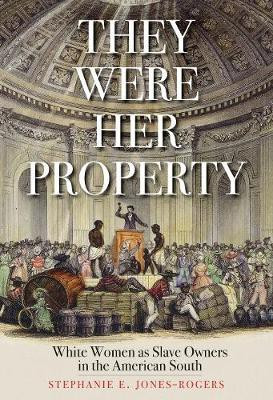
They Were Her Property(English, Paperback, Jones-Rogers Stephanie E.)
- Jones-Rogers Stephanie E.
Paperback & Hardcover deals ―
Amazon IndiaGOFlipkart ₹ 1857SnapdealGOSapnaOnlineGOJain Book AgencyGOBooks Wagon₹279Book ChorGOCrosswordGODC BooksGOe-book & Audiobook deals ―
Amazon India GOGoogle Play Books GOAudible GO* Price may vary from time to time.
* GO = We're not able to fetch the price (please check manually visiting the website).
Know about the book -
They Were Her Property(English, Paperback, Jones-Rogers Stephanie E.) is written by Jones-Rogers Stephanie E. and published by Yale University Press. It's available with International Standard Book Number or ISBN identification 0300251831 (ISBN 10) and 9780300251838 (ISBN 13).
Winner of the Los Angeles Times Book Prize in History: a bold and searing investigation into the role of white women in the American slave economy "Stunning."-Rebecca Onion, Slate "Makes a vital contribution to our understanding of our past and present."-Parul Sehgal, New York Times "Bracingly revisionist. . . . [A] startling corrective."-Nicholas Guyatt, New York Review of Books Bridging women's history, the history of the South, and African American history, this book makes a bold argument about the role of white women in American slavery. Historian Stephanie E. Jones-Rogers draws on a variety of sources to show that slave-owning women were sophisticated economic actors who directly engaged in and benefited from the South's slave market. Because women typically inherited more slaves than land, enslaved people were often their primary source of wealth. Not only did white women often refuse to cede ownership of their slaves to their husbands, they employed management techniques that were as effective and brutal as those used by slave-owning men. White women actively participated in the slave market, profited from it, and used it for economic and social empowerment. By examining the economically entangled lives of enslaved people and slave-owning women, Jones-Rogers presents a narrative that forces us to rethink the economics and social conventions of slaveholding America.
