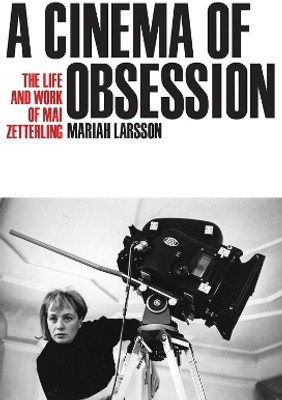
A Cinema of Obsession(English, Hardcover, Larsson Mariah Ph.D.)
- Larsson Mariah Ph.D.
Paperback & Hardcover deals ―
Amazon IndiaGOFlipkart ₹ 7819SnapdealGOSapnaOnlineGOJain Book AgencyGOBooks Wagon₹502Book ChorGOCrosswordGODC BooksGOe-book & Audiobook deals ―
Amazon India GOGoogle Play Books GOAudible GO* Price may vary from time to time.
* GO = We're not able to fetch the price (please check manually visiting the website).
Know about the book -
A Cinema of Obsession(English, Hardcover, Larsson Mariah Ph.D.) is written by Larsson Mariah Ph.D. and published by University of Wisconsin Press. It's available with International Standard Book Number or ISBN identification 0299322300 (ISBN 10) and 9780299322304 (ISBN 13).
Mai Elizabeth Zetterling (1925-94) is among the most exceptional postwar female filmmakers. Born in Sweden, she lived in England and France for most of her life, making her directorial debut in 1964 with the Swedish art film Loving Couples after a fraught transition from working in front of the camera as a successful actress. Critics have compared her work to that of Ingmar Bergman, Luis BuNuel, and Federico Fellini, but Zetterling had a distinct style - alternately radical and reactionary - that straddled the gendered divide between high art and mass culture. Tackling themes of sexuality, isolation, and creativity, her documentaries, short and feature films, and television works are visually striking. Her oeuvre provoked controversy and scandal through her sensational representations of reproduction and motherhood. Mariah Larsson provides a lively and authoritative take on Zetterling's legacy and complicated position within film and women's history. A Cinema of Obsession provides necessary perspective on how the breadth of an artist's collected works keeps gatekeepers from recognizing their achievements, and questions why we still distinguish between national and global visual cultures and the big and small screens in the #MeToo era.
