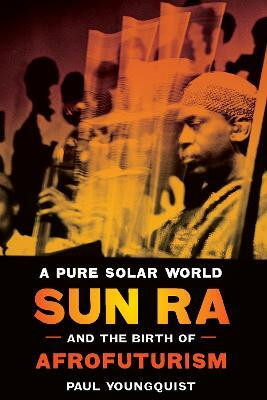
A Pure Solar World(English, Hardcover, Youngquist Paul)
- Youngquist Paul
Paperback & Hardcover deals ―
Amazon IndiaGOFlipkart ₹ 3366SnapdealGOSapnaOnlineGOJain Book AgencyGOBooks Wagon₹689Book ChorGOCrosswordGODC BooksGOe-book & Audiobook deals ―
Amazon India GOGoogle Play Books GOAudible GO* Price may vary from time to time.
* GO = We're not able to fetch the price (please check manually visiting the website).
Know about the book -
A Pure Solar World(English, Hardcover, Youngquist Paul) is written by Youngquist Paul and published by University of Texas Press. It's available with International Standard Book Number or ISBN identification 0292726368 (ISBN 10) and 9780292726369 (ISBN 13).
Surveying the range of Sun Ra's extraordinary creativity, this book explores how the father of Afrofuturism brought "space music" to a planet in need of transformation, supporting the aspirations of black people in an inhospitable white world. Sun Ra said he came from Saturn. Known on earth for his inventive music and extravagant stage shows, he pioneered free-form improvisation in an ensemble setting with the devoted band he called the "Arkestra." Sun Ra took jazz from the inner city to outer space, infusing traditional swing with far-out harmonies, rhythms, and sounds. Described as the father of Afrofuturism, Sun Ra created "space music" as a means of building a better future for American blacks here on earth. A Pure Solar World: Sun Ra and the Birth of Afrofuturism offers a spirited introduction to the life and work of this legendary but underappreciated musician, composer, and poet. Paul Youngquist explores and assesses Sun Ra's wide-ranging creative output-music, public preaching, graphic design, film and stage performance, and poetry-and connects his diverse undertakings to the culture and politics of his times, including the space race, the rise of technocracy, the civil rights movement, and even space-age bachelor-pad music. By thoroughly examining the astro-black mythology that Sun Ra espoused, Youngquist masterfully demonstrates that he offered both a holistic response to a planet desperately in need of new visions and vibrations and a new kind of political activism that used popular culture to advance social change. In a nation obsessed with space and confused about race, Sun Ra aimed not just at assimilation for the socially disfranchised but even more at a wholesale transformation of American society and a more creative, egalitarian world.
