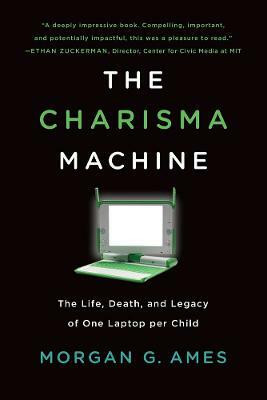
The Charisma Machine(English, Paperback, Ames Morgan G.)
- Ames Morgan G.
Paperback & Hardcover deals ―
Amazon IndiaGOFlipkart ₹ 2626SnapdealGOSapnaOnlineGOJain Book AgencyGOBooks Wagon₹551Book ChorGOCrosswordGODC BooksGOe-book & Audiobook deals ―
Amazon India GOGoogle Play Books GOAudible GO* Price may vary from time to time.
* GO = We're not able to fetch the price (please check manually visiting the website).
Know about the book -
The Charisma Machine(English, Paperback, Ames Morgan G.) is written by Ames Morgan G. and published by MIT Press Ltd. It's available with International Standard Book Number or ISBN identification 0262537443 (ISBN 10) and 9780262537445 (ISBN 13).
A fascinating examination of technological utopianism and its complicated consequences. In The Charisma Machine, Morgan Ames chronicles the life and legacy of the One Laptop per Child project and explains why-despite its failures-the same utopian visions that inspired OLPC still motivate other projects trying to use technology to "disrupt" education and development. Announced in 2005 by MIT Media Lab cofounder Nicholas Negroponte, One Laptop per Child promised to transform the lives of children across the Global South with a small, sturdy, and cheap laptop computer, powered by a hand crank. In reality, the project fell short in many ways-starting with the hand crank, which never materialized. Yet the project remained charismatic to many who were captivated by its claims of access to educational opportunities previously out of reach. Behind its promises, OLPC, like many technology projects that make similarly grand claims, had a fundamentally flawed vision of who the computer was made for and what role technology should play in learning. Drawing on fifty years of history and a seven-month study of a model OLPC project in Paraguay, Ames reveals that the laptops were not only frustrating to use, easy to break, and hard to repair, they were designed for "technically precocious boys"-idealized younger versions of the developers themselves-rather than the children who were actually using them. The Charisma Machine offers a cautionary tale about the allure of technology hype and the problems that result when utopian dreams drive technology development.
