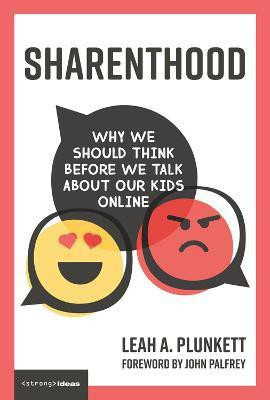
Sharenthood(English, Hardcover, Plunkett Leah A.)
- Plunkett Leah A.
Paperback & Hardcover deals ―
Amazon IndiaGOFlipkart ₹ 2180SnapdealGOSapnaOnlineGOJain Book AgencyGOBooks Wagon₹1,213Book ChorGOCrosswordGODC BooksGOe-book & Audiobook deals ―
Amazon India GOGoogle Play Books GOAudible GO* Price may vary from time to time.
* GO = We're not able to fetch the price (please check manually visiting the website).
Know about the book -
Sharenthood(English, Hardcover, Plunkett Leah A.) is written by Plunkett Leah A. and published by MIT Press Ltd. It's available with International Standard Book Number or ISBN identification 026204269X (ISBN 10) and 9780262042697 (ISBN 13).
From baby pictures in the cloud to a high school's digital surveillance system: how adults unwittingly compromise children's privacy online. Our children's first digital footprints are made before they can walk-even before they are born-as parents use fertility apps to aid conception, post ultrasound images, and share their baby's hospital mug shot. Then, in rapid succession come terabytes of baby pictures stored in the cloud, digital baby monitors with built-in artificial intelligence, and real-time updates from daycare. When school starts, there are cafeteria cards that catalog food purchases, bus passes that track when kids are on and off the bus, electronic health records in the nurse's office, and a school surveillance system that has eyes everywhere. Unwittingly, parents, teachers, and other trusted adults are compiling digital dossiers for children that could be available to everyone-friends, employers, law enforcement-forever. In this incisive book, Leah Plunkett examines the implications of "sharenthood"-adults' excessive digital sharing of children's data. She outlines the mistakes adults make with kids' private information, the risks that result, and the legal system that enables "sharenting." Plunkett describes various modes of sharenting-including "commercial sharenting," efforts by parents to use their families' private experiences to make money-and unpacks the faulty assumptions made by our legal system about children, parents, and privacy. She proposes a "thought compass" to guide adults in their decision making about children's digital data: play, forget, connect, and respect. Enshrining every false step and bad choice, Plunkett argues, can rob children of their chance to explore and learn lessons. The Internet needs to forget. We need to remember.
