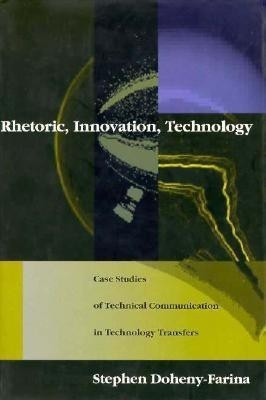
Rhetoric, Innovation, Technology(English, Hardcover, Doheny-Farina Stephen)
- Doheny-Farina Stephen
Paperback & Hardcover deals ―
Amazon IndiaGOFlipkart ₹ 3081SnapdealGOSapnaOnlineGOJain Book AgencyGOBooks Wagon₹425Book ChorGOCrosswordGODC BooksGOe-book & Audiobook deals ―
Amazon India GOGoogle Play Books GOAudible GO* Price may vary from time to time.
* GO = We're not able to fetch the price (please check manually visiting the website).
Know about the book -
Rhetoric, Innovation, Technology(English, Hardcover, Doheny-Farina Stephen) is written by Doheny-Farina Stephen and published by MIT Press Ltd. It's available with International Standard Book Number or ISBN identification 0262041294 (ISBN 10) and 9780262041294 (ISBN 13).
Stephen Doheny-Farina shows that the technical and commercial processes of turning technologies into products are, in significant ways, communication processes. Improving the way that technology is transferred from laboratory to marketplace is central to improving American productivity and competitiveness in a global economy. In this provocative analysis, Stephen Doheny-Farina shows that the technical and commercial processes of turning technologies into products are, in significant ways, communication processes. He explores the key role that technical communicators must play in the movement of technology from expert designers and developers to users. Several lengthy case studies illustrate the rhetorical issues involved in technology transfers as well as the rhetorical barriers to their success. Doheny-Farina argues that processes typically called information transfer and technology transfer are not transfers at all but instead are series of personal constructions and reconstructions of knowledge, expertise, and technologies by the participants attempting to adapt technological innovations for social uses.Underscoring the rhetorical nature of any technology transfer, the case studies describe the powerful effect that a startup company's business plan can have on its future (including the many factors that surround the writing of a business plan), the rhetorical barriers to the transfer of an experimental artificial heart from a university research hospital to a biomedical products manufacturer, and two compelling situations that call for the inclusion of technical writers in new product development from its inception. A final chapter focuses on the important elements in the education of technical communicators and an appendix discusses classroom applications and includes a fictional case incorporating issues of intraorganizational barriers to collaboration in the new product development process.
