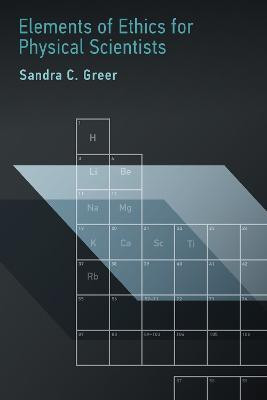
Elements of Ethics for Physical Scientists(English, Hardcover, Greer Sandra C.)
- Greer Sandra C.
Paperback & Hardcover deals ―
Amazon IndiaGOFlipkart ₹ 3404SnapdealGOSapnaOnlineGOJain Book AgencyGOBooks Wagon₹293Book ChorGOCrosswordGODC BooksGOe-book & Audiobook deals ―
Amazon India GOGoogle Play Books GOAudible GO* Price may vary from time to time.
* GO = We're not able to fetch the price (please check manually visiting the website).
Know about the book -
Elements of Ethics for Physical Scientists(English, Hardcover, Greer Sandra C.) is written by Greer Sandra C. and published by MIT Press Ltd. It's available with International Standard Book Number or ISBN identification 0262036886 (ISBN 10) and 9780262036887 (ISBN 13).
A guide to the everyday decisions about right and wrong faced by physical scientists and research engineers. This book offers the first comprehensive guide to ethics for physical scientists and engineers who conduct research. Written by a distinguished professor of chemistry and chemical engineering, the book focuses on the everyday decisions about right and wrong faced by scientists as they do research, interact with other people, and work within society. The goal is to nurture readers' ethical intelligence so that they know an ethical issue when they see one, and to give them a way to think about ethical problems. After introductions to the philosophy of ethics and the philosophy of science, the book discusses research integrity, with a unique emphasis on how scientists make mistakes and how they can avoid them. It goes on to cover personal interactions among scientists, including authorship, collaborators, predecessors, reviewers, grantees, mentors, and whistle-blowers. It considers underrepresented groups in science as an ethical issue that matters not only to those groups but also to the development of science, and it examines human participants and animal subjects. Finally, the book examines scientifically relevant social issues, including public policy, weapons research, conflicts of interest, and intellectual property. Each chapter ends with discussion questions and case studies to encourage debate and further exploration of topics. The book can be used in classes and seminars in research ethics and will be an essential reference for scientists in academia, government, and industry.
