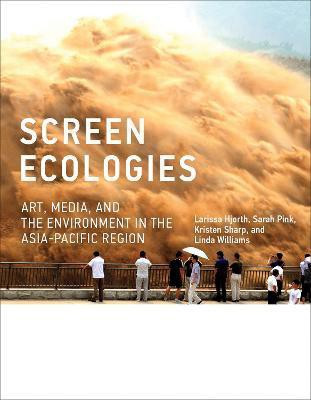
Screen Ecologies(English, Hardcover, Hjorth Larissa)
- Hjorth Larissa
Paperback & Hardcover deals ―
Amazon IndiaGOFlipkart ₹ 2900SnapdealGOSapnaOnlineGOJain Book AgencyGOBooks Wagon₹1,137Book ChorGOCrosswordGODC BooksGOe-book & Audiobook deals ―
Amazon India GOGoogle Play Books GOAudible GO* Price may vary from time to time.
* GO = We're not able to fetch the price (please check manually visiting the website).
Know about the book -
Screen Ecologies(English, Hardcover, Hjorth Larissa) is written by Hjorth Larissa and published by MIT Press Ltd. It's available with International Standard Book Number or ISBN identification 0262034565 (ISBN 10) and 9780262034562 (ISBN 13).
How new media and visual artists provide alternative ways for understanding and visualizing the entanglements of media and the environment in the Asia-Pacific. Images of environmental disaster and degradation have become part of our everyday media diet. This visual culture focusing on environmental deterioration represents a wider recognition of the political, economic, and cultural forces that are responsible for our ongoing environmental crisis. And yet efforts to raise awareness about environmental issues through digital and visual media are riddled with irony, because the resource extraction, manufacturing, transportation, and waste associated with digital devices contribute to environmental damage and climate change. Screen Ecologies examines the relationship of media, art, and climate change in the Asia-Pacific region-a key site of both environmental degradation and the production and consumption of climate-aware screen art and media. Screen Ecologies shows how new media and visual artists provide alternative ways for understanding the entanglements of media and the environment in the Asia-Pacific. It investigates such topics as artists' exploration of alternative ways to represent the environment; regional stories of media innovation and climate change; the tensions between amateur and professional art; the emergence of biennials, triennials, and new arts organizations; the theme of water in regional art; new models for networked collaboration; and social media's move from private to public realms. A generous selection of illustrations shows a range of artist's projects.
