Nation Dance(English, Paperback, unknown)
- unknown
Paperback & Hardcover deals ―
Amazon IndiaGOFlipkart ₹ 2109SnapdealGOSapnaOnlineGOJain Book AgencyGOBooks Wagon₹1,397Book ChorGOCrosswordGODC BooksGOe-book & Audiobook deals ―
Amazon India GOGoogle Play Books GOAudible GO* Price may vary from time to time.
* GO = We're not able to fetch the price (please check manually visiting the website).
Know about the book -
Nation Dance(English, Paperback, unknown) is written by unknown and published by Indiana University Press. It's available with International Standard Book Number or ISBN identification 0253214319 (ISBN 10) and 9780253214317 (ISBN 13).
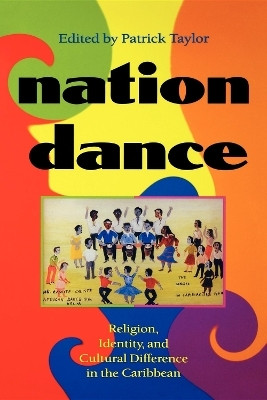
Dealing with the ongoing interaction of rich and diverse cultural traditions from Cuba and Jamaica to Guyana and Surinam, Nation Dance addresses some of the major contemporary issues in the study of Caribbean religion and identity. The book's three sections move from a focus on spirituality and healing, to theology in social and political context, and on to questions of identity and diaspora. The book begins with the voices of female practitioners and then offers a broad, interdisciplinary examination of Caribbean religion and culture. Afro-Caribbean religions, Hinduism, Judaism, Islam, and Christianity are all addressed, with specific reflections on Santeria, Palo Monte, Vodou, Winti, Obeah, Kali Mai, Orisha work, Spiritual Baptist faith, Spiritualism, Rastafari, Confucianism, Congregationalism, Pentecostalism, Catholicism, and liberation theology. Some essays are based on fieldwork, archival research, and textual or linguistic analysis, while others are concerned with methodological or theoretical issues. Contributors include practitioners and scholars, some very established in the field, others with fresh, new approaches; all of them come from the region or have done extensive fieldwork or research there. In these essays the poetic vitality of the practitioner's voice meets the attentive commitment of the postcolonial scholar in a dance of "nations" across the waters.
