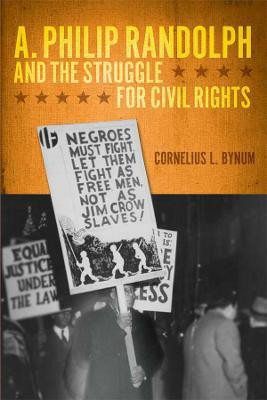
A. Philip Randolph and the Struggle for Civil Rights(English, Electronic book text, Bynum Cornelius L.)
- Bynum Cornelius L.
Paperback & Hardcover deals ―
Amazon IndiaGOFlipkart ₹ 3222SnapdealGOSapnaOnlineGOJain Book AgencyGOBooks Wagon₹454Book ChorGOCrosswordGODC BooksGOe-book & Audiobook deals ―
Amazon India GOGoogle Play Books ₹9.99Audible GO* Price may vary from time to time.
* GO = We're not able to fetch the price (please check manually visiting the website).
Know about the book -
A. Philip Randolph and the Struggle for Civil Rights(English, Electronic book text, Bynum Cornelius L.) is written by Bynum Cornelius L. and published by University of Illinois Press. It's available with International Standard Book Number or ISBN identification 0252090063 (ISBN 10) and 9780252090066 (ISBN 13).
A. Philip Randolph's career as a trade unionist and civil rights activist fundamentally shaped the course of black protest in the mid-twentieth century. Standing alongside W. E. B. Du Bois, Marcus Garvey, and others at the center of the cultural renaissance and political radicalism that shaped communities such as Harlem in the 1920s and into the 1930s, Randolph fashioned an understanding of social justice that reflected a deep awareness of how race complicated class concerns, especially among black laborers. Examining Randolph's work in lobbying for the Brotherhood of Sleeping Car Porters, threatening to lead a march on Washington in 1941, and establishing the Fair Employment Practice Committee, Cornelius L. Bynum shows that Randolph's push for African American equality took place within a broader progressive program of industrial reform. Some of Randolph's pioneering plans for engineering change--which served as foundational strategies in the civil rights movement of the 1950s and 1960s--included direct mass action, nonviolent civil disobedience, and purposeful coalitions between black and white workers. Bynum interweaves biographical information on Randolph with details on how he gradually shifted his thinking about race and class, full citizenship rights, industrial organization, trade unionism, and civil rights protest throughout his activist career.
