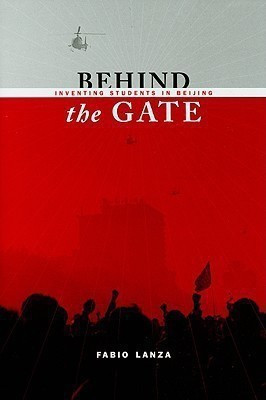
Behind the Gate(English, Hardcover, Lanza Fabio)
- Lanza Fabio
Paperback & Hardcover deals ―
Amazon IndiaGOFlipkart ₹ 9160SnapdealGOSapnaOnlineGOJain Book AgencyGOBooks Wagon₹419Book ChorGOCrosswordGODC BooksGOe-book & Audiobook deals ―
Amazon India GOGoogle Play Books GOAudible GO* Price may vary from time to time.
* GO = We're not able to fetch the price (please check manually visiting the website).
Know about the book -
Behind the Gate(English, Hardcover, Lanza Fabio) is written by Lanza Fabio and published by Columbia University Press. It's available with International Standard Book Number or ISBN identification 0231152388 (ISBN 10) and 9780231152389 (ISBN 13).
On May 4, 1919, thousands of students protested the Versailles treaty in Beijing. Seventy years later, another generation demonstrated in Tiananmen Square. Climbing the Monument of the People's Heroes, these protestors stood against a relief of their predecessors, merging with their own mythology while consciously deploying their activism. Through an investigation of twentieth-century Chinese student protest, Fabio Lanza considers the marriage of the cultural and the political, the intellectual and the quotidian, that occurred during the May Fourth movement, along with its rearticulation in subsequent protest. He ultimately explores the political category of the "student" and its making in the twentieth century. Lanza returns to the May Fourth period (1917-1923) and the rise of student activism in and around Beijing University. He revisits reform in pedagogical and learning routines, changes in daily campus life, the fluid relationship between the city and its residents, and the actions of allegedly cultural student organizations.Through a careful analysis of everyday life and urban space, Lanza radically reconceptualizes the emergence of political subjectivities (categories such as "worker," "activist," and "student") and how they anchor and inform political action. He accounts for the elements that drew students to Tiananmen and the formation of the student as an enduring political category. His research underscores how, during a time of crisis, the lived realities of university and student became unsettled in Beijing, and how political militancy in China arose only when the boundaries of identification were challenged.
