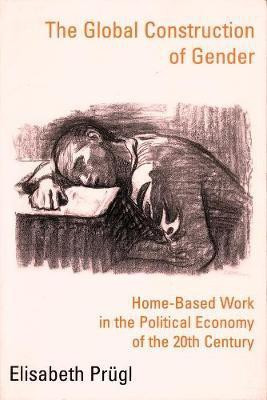
The Global Construction of Gender(English, Hardcover, Pruegl Elisabeth)
- Pruegl Elisabeth
Paperback & Hardcover deals ―
Amazon IndiaGOFlipkart ₹ 12871SnapdealGOSapnaOnlineGOJain Book AgencyGOBooks Wagon₹471Book ChorGOCrosswordGODC BooksGOe-book & Audiobook deals ―
Amazon India GOGoogle Play Books GOAudible GO* Price may vary from time to time.
* GO = We're not able to fetch the price (please check manually visiting the website).
Know about the book -
The Global Construction of Gender(English, Hardcover, Pruegl Elisabeth) is written by Pruegl Elisabeth and published by Columbia University Press. It's available with International Standard Book Number or ISBN identification 0231115601 (ISBN 10) and 9780231115605 (ISBN 13).
Gender constructions do not stop at state boundaries. Global understandings of masculinity and femininity can emerge out of the matrix of international politics. Proposing an innovative conception of global politics by de-emphasizing state actors and instead analyzing competing transnational discourses, The Global Construction of Gender focuses specifically on people who work at home for pay. Prugl explores the debates and rhetoric surrounding home-based workers that have taken place in global movements and multilateral organizations since the early 1900s in order to trace changing conceptions of gender over the course of this century. As Prugl relates, home-based workers, both urban and rural, engage in a broad array of activities: they "sew garments, embroider, make lace, roll cigarettes, weave carpets, peel shrimp, prepare food, polish plastic, process insurance claims, edit manuscripts, and assemble artificial flowers, umbrellas, and jewelry." These (mostly female) workers are widely recognized as underpaid and exploited.In investigating their plight, Prugl describes the rules that have separated home and work and, in the process, created a diverse array of distinctly gendered identities, including that of the working mother as a social problem, the wage-earning worker as a male breadwinner, the crafts-producing woman as the symbol of Third World nationhood, the woman micro-entrepreneur as the heroine of structural adjustment, and the new androgynous home-based consultant/freelancer/teleworker as the exemplary worker of a flexibly organized global economy.
