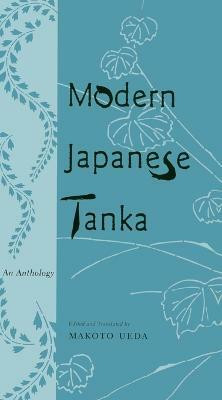
Modern Japanese Tanka(English, Paperback, Ueda Makoto)
- Ueda Makoto
Paperback & Hardcover deals ―
Amazon IndiaGOFlipkart ₹ 4595SnapdealGOSapnaOnlineGOJain Book AgencyGOBooks Wagon₹239Book ChorGOCrosswordGODC BooksGOe-book & Audiobook deals ―
Amazon India GOGoogle Play Books GOAudible GO* Price may vary from time to time.
* GO = We're not able to fetch the price (please check manually visiting the website).
Know about the book -
Modern Japanese Tanka(English, Paperback, Ueda Makoto) is written by Ueda Makoto and published by Columbia University Press. It's available with International Standard Book Number or ISBN identification 0231104332 (ISBN 10) and 9780231104333 (ISBN 13).
Tanka, a clasical Japanese verse form like haiku, has experienced a resurgence of interest among twentieth-century poets and readers. Arguably the central genre of Japanese literature, the 31-syllable lyric made up the great majority of Japanese poetry from the ninth to the nineteenth century and was the inspiration for such poetry as haiku and renga. Tanka has begun to attract considerable attention in North America in recent years. Modern Japanese Tanka is the first comprehensive collection available in English. Tanka retains the aesthetic sensibilities that circumscribe Japanese culture, but just as Japan has changed during this tumultuous century, tanka has undergone equally radical shifts. Responding to artistic and social movements of the West, tanka has incorporated influences ranging from Marxism to Avant-Garde. Modern Japanese Tanka includes four hundred poems by twenty of Japan's most renowned poets who have made major contributions to the hisotry of tanka in the late nineteenth and early twentieth centuries.With his graceful, eloquent translations, Makoto Ueda captures the distinct voices of these individual poets, providing biographical sketches of each as well as transliterating Japanese text below each poem. His introduction gives an excellent overview of the development of tanka in the last one hundred years. Tracing the contemporary tanka tradition from Yosana Tekkan in the late nineteenth century to the late twentieth-century poetry of such writers as Taware Machi, Modern Japanese Tankselegantly conveys an authentic sense of Japanese lyric to a Western audience.
