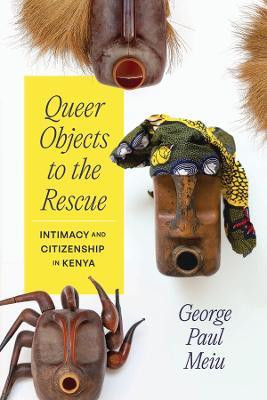
Queer Objects to the Rescue(English, Paperback, Meiu George Paul)
- Meiu George Paul
Paperback & Hardcover deals ―
Amazon IndiaGOFlipkart ₹ 3094SnapdealGOSapnaOnlineGOJain Book AgencyGOBooks Wagon₹6,839Book ChorGOCrosswordGODC BooksGOe-book & Audiobook deals ―
Amazon India GOGoogle Play Books GOAudible GO* Price may vary from time to time.
* GO = We're not able to fetch the price (please check manually visiting the website).
Know about the book -
Queer Objects to the Rescue(English, Paperback, Meiu George Paul) is written by Meiu George Paul and published by The University of Chicago Press. It's available with International Standard Book Number or ISBN identification 0226830586 (ISBN 10) and 9780226830582 (ISBN 13).
Examines forms of intimate citizenship that have emerged in relation to growing anti-homosexual violence in Kenya. Campaigns calling on police and citizens to purge their countries of homosexuality have taken hold across the world. But the "homosexual threat" they claim to be addressing is not always easy to identify. To make that threat visible, leaders, media, and civil society groups have deployed certain objects as signifiers of queerness. In Kenya, for example, bead necklaces, plastics, and even diapers have come to represent the danger posed by homosexual behavior to an essentially "virile" construction of national masculinity. In Queer Objects tothe Rescue, George Paul Meiu explores objects that have played an important and surprising role in both state-led and popular attempts to rid Kenya of various imagined threats to intimate life. Meiu shows that their use in the political imaginary has been crucial to representing the homosexual body as a societal threat and as a target of outrage, violence, and exclusion, while also crystallizing anxieties over wider political and economic instability. To effectively understand and critique homophobia, Meiu suggests, we must take these objects seriously and recognize them as potential sources for new forms of citizenship, intimacy, resistance, and belonging.
