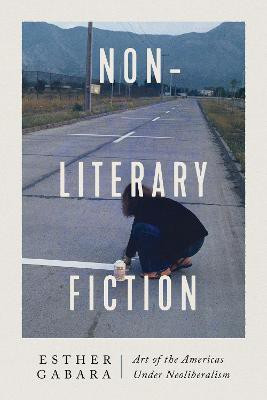
Non-literary Fiction(English, Paperback, Gabara Esther Professor)
- Gabara Esther Professor
Paperback & Hardcover deals ―
Amazon IndiaGOFlipkart ₹ 2811SnapdealGOSapnaOnlineGOJain Book AgencyGOBooks Wagon₹236Book ChorGOCrosswordGODC BooksGOe-book & Audiobook deals ―
Amazon India GOGoogle Play Books GOAudible GO* Price may vary from time to time.
* GO = We're not able to fetch the price (please check manually visiting the website).
Know about the book -
Non-literary Fiction(English, Paperback, Gabara Esther Professor) is written by Gabara Esther Professor and published by The University of Chicago Press. It's available with International Standard Book Number or ISBN identification 0226822354 (ISBN 10) and 9780226822358 (ISBN 13).
Explores a new form of fiction that emerged in late-twentieth-century visual art across the Americas. With Non-literary Fiction, Esther Gabara examines how contemporary art produced across the Americas has reacted to the rising tide of neoliberal regimes, focusing on the crucial role of fiction in daily politics. Gabara argues that these fictions depart from familiar literary narrative structures and emerge in the new mediums and practices that have revolutionized contemporary art. Each chapter details how fiction is created through visual art forms-in performance and body art, posters, mail art, found objects, and installations. For Gabara, these fictions comprise a type of art that asks viewers to collaborate in the creation of the work and helps them to withstand the brutal restrictions imposed by dominant neoliberal regimes. During repressive regimes of the 1960s and 1970s and free trade agreements of the 1990s, artists and critics consistently said no to economic privatization, political deregulation, and reactionary social logic as they rejected inherited notions of visual, literary, and political representation. Through close analyses of artworks and writings by leading figures of these two generations, including Indigenous thinkers, Gabara shows how negation allows for the creation of fiction outside textual forms of literature.
