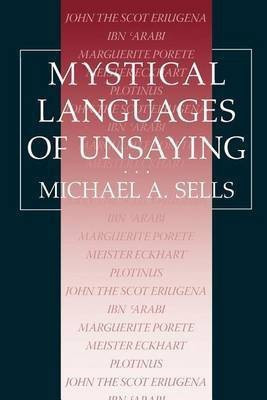
Mystical Languages of Unsaying(English, Paperback, Sells Michael A.)
- Sells Michael A.
Paperback & Hardcover deals ―
Amazon IndiaGOFlipkart ₹ 3015SnapdealGOSapnaOnlineGOJain Book AgencyGOBooks Wagon₹239Book ChorGOCrosswordGODC BooksGOe-book & Audiobook deals ―
Amazon India GOGoogle Play Books GOAudible GO* Price may vary from time to time.
* GO = We're not able to fetch the price (please check manually visiting the website).
Know about the book -
Mystical Languages of Unsaying(English, Paperback, Sells Michael A.) is written by Sells Michael A. and published by The University of Chicago Press. It's available with International Standard Book Number or ISBN identification 0226747875 (ISBN 10) and 9780226747873 (ISBN 13).
This text examines a mode of mystical discourse, "apophasis", which literally means "speaking away." Sometimes translated as "negative theology," apophatic discourse embraces the impossibility of naming something that is ineffable by continually turning back upon its own propositions and names. In this study of apophasis in Greek, Christian and Islamic texts, Michael Sells offers a sustained, critical account of how apophatic language works, the conventions, logic, and paradoxes it employs, and the dilemmas encountered in any attempt to analyze it. This book includes readings of the most rigorously apophatic texts of Plotinus, John the Scot Eriugena, Ibn Arabi, Marguerite Porete, and Meister Eckhart, with comparative reference to important apophatic writers in the Jewish tradition, such as Abraham Abulafia and Moses de Leon. Sells reveals essential common features in the writings of these authors, despite their wide-ranging differences in era, tradition and theology. By showing how apophasis works as a mode of discourse rather than as a negative theology, this work aims to open the subject up for re-evaluation.Sells demonstrates that the more radical claims of apophatic writers - claims that critics have often dismissed as hyperbolic or condemned as pantheistic or nihilistic - are vital to an adequate account of the mystical languages of unsaying. This work also has implications for the relationship of classical apophasis to contemporary languages of the unsayable. Sells challenges many widely circulated characterizations of apophasis among deconstructionists, as well as a number of common notions about medieval thought and gender relations in medieval mysticism.
