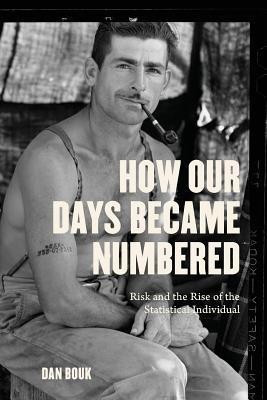
How Our Days Became Numbered(English, Paperback, Bouk Dan)
- Bouk Dan
Paperback & Hardcover deals ―
Amazon IndiaGOFlipkart ₹ 2536SnapdealGOSapnaOnlineGOJain Book AgencyGOBooks Wagon₹279Book ChorGOCrosswordGODC BooksGOe-book & Audiobook deals ―
Amazon India GOGoogle Play Books GOAudible GO* Price may vary from time to time.
* GO = We're not able to fetch the price (please check manually visiting the website).
Know about the book -
How Our Days Became Numbered(English, Paperback, Bouk Dan) is written by Bouk Dan and published by The University of Chicago Press. It's available with International Standard Book Number or ISBN identification 022656486X (ISBN 10) and 9780226564869 (ISBN 13).
Long before the age of "Big Data" or the rise of today's "self-quantifiers," American capitalism embraced "risk"--and proceeded to number our days. Life insurers led the way, developing numerical practices for measuring individuals and groups, predicting their fates, and intervening in their futures. Emanating from the gilded boardrooms of Lower Manhattan and making their way into drawing rooms and tenement apartments across the nation, these practices soon came to change the futures they purported to divine.How Our Days Became Numbered tells a story of corporate culture remaking American culture--a story of intellectuals and professionals in and around insurance companies who reimagined Americans' lives through numbers and taught ordinary Americans to do the same. Making individuals statistical did not happen easily. Legislative battles raged over the propriety of discriminating by race or of smoothing away the effects of capitalism's fluctuations on individuals. Meanwhile, debates within companies set doctors against actuaries and agents, resulting in elaborate, secretive systems of surveillance and calculation.Dan Bouk reveals how, in a little over half a century, insurers laid the groundwork for the much-quantified, risk-infused world that we live in today. To understand how the financial world shapes modern bodies, how risk assessments can perpetuate inequalities of race or sex, and how the quantification and claims of risk on each of us continue to grow, we must take seriously the history of those who view our lives as a series of probabilities to be managed.
