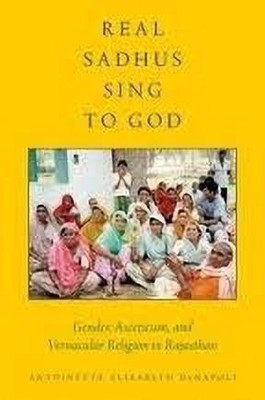
Real Sadhus Sing to God(English, Paperback, DeNapoli Antoinette Elizabeth)
- DeNapoli Antoinette Elizabeth
Paperback & Hardcover deals ―
Amazon IndiaGOFlipkart ₹ 1994SnapdealGOSapnaOnlineGOJain Book AgencyGOBooks Wagon₹379Book ChorGOCrosswordGODC BooksGOe-book & Audiobook deals ―
Amazon India GOGoogle Play Books GOAudible GO* Price may vary from time to time.
* GO = We're not able to fetch the price (please check manually visiting the website).
Know about the book -
Real Sadhus Sing to God(English, Paperback, DeNapoli Antoinette Elizabeth) is written by DeNapoli Antoinette Elizabeth and published by Oxford University Press Inc. It's available with International Standard Book Number or ISBN identification 0199940037 (ISBN 10) and 9780199940035 (ISBN 13).
Drawing on ethnographic research spanning ten years, Antoinette Elizabeth DeNapoli offers a new perspective on the practice of asceticism in India today. Her work brings to light the little known and often marginalized lives of female Hindu ascetics (sadhus) in the North Indian state of Rajasthan. Examining the everyday religious worlds and practices of the mostly unlettered female sadhus, who come from a number of castes, Real Sadhus Sing to God illustrates that these women experience asceticism in relational and celebratory ways. They construct their lives as paths of singing to God, which, the author suggests, serves as the female way of being an ascetic. Examining the relationship between asceticism (sannyas) and devotion (bhakti) in contemporary contexts, the book brings together two disparate fields of studyyoga/asceticism and bhaktiusing the singing of bhajans (devotional songs) as an orienting metaphor. This is the first book-length study to explore the ways in which female sadhus perform and thus create gendered views of asceticism through their singing, storytelling, and sacred text practices, which DeNapoli characterizes as their "rhetoric of renunciation".
