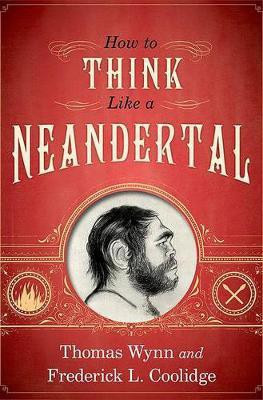
How To Think Like a Neandertal(English, Hardcover, Wynn Thomas)
- Wynn Thomas
Paperback & Hardcover deals ―
Amazon IndiaGOFlipkart ₹ 2837SnapdealGOSapnaOnlineGOJain Book AgencyGOBooks Wagon₹239Book ChorGOCrosswordGODC BooksGOe-book & Audiobook deals ―
Amazon India GOGoogle Play Books GOAudible GO* Price may vary from time to time.
* GO = We're not able to fetch the price (please check manually visiting the website).
Know about the book -
How To Think Like a Neandertal(English, Hardcover, Wynn Thomas) is written by Wynn Thomas and published by Oxford University Press Inc. It's available with International Standard Book Number or ISBN identification 0199742820 (ISBN 10) and 9780199742820 (ISBN 13).
There have been many books, movies, and even TV commercials featuring Neandertals--some serious, some comical. But what was it really like to be a Neandertal? How were their lives similar to or different from ours? In How to Think Like a Neandertal, archaeologist Thomas Wynn and psychologist Frederick L. Coolidge team up to provide a brilliant account of the mental life of Neandertals, drawing on the most recent fossil and archaeological remains. Indeed, some Neandertal remains are not fossilized, allowing scientists to recover samples of their genes--one specimen had the gene for red hair and, more provocatively, all had a gene called FOXP2, which is thought to be related to speech. Given the differences between their faces and ours, their voices probably sounded a bit different, and the range of consonants and vowels they could generate might have been different. But they could talk, and they had a large (perhaps huge) vocabulary--words for places, routes, techniques, individuals, and emotions. Extensive archaeological remains of stone tools and living sites (and, yes, they did often live in caves) indicate that Neandertals relied on complex technical procedures and spent most of their lives in small family groups. The authors sift the evidence that Neandertals had a symbolic culture--looking at their treatment of corpses, the use of fire, and possible body coloring--and conclude that they probably did not have a sense of the supernatural. The book explores the brutal nature of their lives, especially in northwestern Europe, where men and women with spears hunted together for mammoths and wooly rhinoceroses. They were pain tolerant, very likely taciturn, and not easy to excite. Wynn and Coolidge offer here an eye-opening portrait of Neandertals, painting a remarkable picture of these long-vanished people and providing insight, as they go along, into our own minds and culture.
