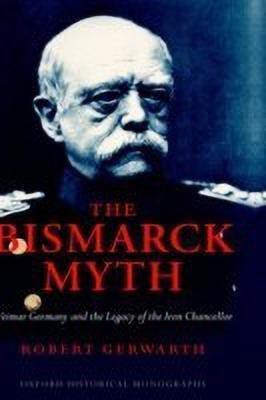
The Bismarck Myth(English, Hardcover, Gerwarth Robert)
- Gerwarth Robert
Paperback & Hardcover deals ―
Amazon IndiaGOFlipkart ₹ 2634SnapdealGOSapnaOnlineGOJain Book AgencyGOBooks Wagon₹1,877Book ChorGOCrosswordGODC BooksGOe-book & Audiobook deals ―
Amazon India GOGoogle Play Books GOAudible GO* Price may vary from time to time.
* GO = We're not able to fetch the price (please check manually visiting the website).
Know about the book -
The Bismarck Myth(English, Hardcover, Gerwarth Robert) is written by Gerwarth Robert and published by Oxford University Press. It's available with International Standard Book Number or ISBN identification 019928184X (ISBN 10) and 9780199281848 (ISBN 13).
Few statesmen in history have inspired the imagination of generations of Germans more than the founder of the Kaiserreich, Otto von Bismarck. The archetype of charismatic leadership, the Iron Chancellor maintained his pre-eminent position in the pantheon of Germany's political iconography for much of the twentieth century.Based on a large selection of primary sources, this book provides an insightful analysis of the Bismarck myth's profound impact on Germany's political culture. In particular, it investigates the ways in which that myth was used to undermine parliamentary democracy in Germany after the Great War, paving the way for its replacement by authoritarian rule under an allegedly 'Bismarckian' charismatic leader, Adolf Hitler.As one of the most powerful weapons of nationalist agitation against the Weimar Republic, the Bismarck myth was never contested. The nationalists' ideologically charged interpretation of Bismarck as the father of the German nation-state and model for future political decision-making clashed with rivalling - and thoroughly critical - democratic and communist perceptions of the Iron Chancellor. The quarrel over Bismarck's legacy demonstrates how the clash of ideologies, particularly between 1918 and 1933, resulted in a highly political fight for the 'correct' and universal interpretation of the German past. Essential reading for anyone interested in modern German history, this book sheds new light on the Weimar Republic's struggle for survival and the reasons for its failure.
