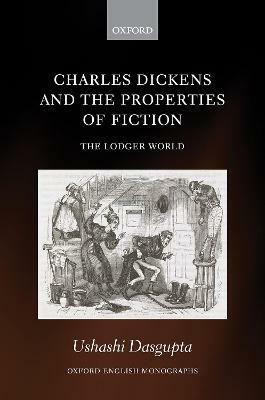
Charles Dickens and the Properties of Fiction(English, Hardcover, Dasgupta Ushashi)
- Dasgupta Ushashi
Paperback & Hardcover deals ―
Amazon IndiaGOFlipkart ₹ 12501SnapdealGOSapnaOnlineGOJain Book AgencyGOBooks Wagon₹239Book ChorGOCrosswordGODC BooksGOe-book & Audiobook deals ―
Amazon India GOGoogle Play Books GOAudible GO* Price may vary from time to time.
* GO = We're not able to fetch the price (please check manually visiting the website).
Know about the book -
Charles Dickens and the Properties of Fiction(English, Hardcover, Dasgupta Ushashi) is written by Dasgupta Ushashi and published by Oxford University Press. It's available with International Standard Book Number or ISBN identification 0198859112 (ISBN 10) and 9780198859116 (ISBN 13).
When Dickens was nineteen years old, he wrote a poem for Maria Beadnell, the young woman he wished to marry. The poem imagined Maria as a welcoming landlady offering lodgings to let. Almost forty years later, Dickens died, leaving his final novel unfinished - in its last scene, another landlady sets breakfast down for her enigmatic lodger. These kinds of characters are everywhere in Dickens's writing. Charles Dickens and the Properties of Fiction: The Lodger World explores the significance of tenancy in his fiction.In nineteenth century Britain the vast majority of people rented, rather than owned, their homes. Instead of keeping to themselves, they shared space - renting, lodging, taking lodgers in, or simply living side-by-side in a crowded modern city. Charles Dickens explored both the chaos and the unexpected harmony to be found in rented spaces, the loneliness and sociability, the interactions between cohabitants, the complex gender dynamics at play, and the relationship between space and money. Charles Dickens and the Properties of Fiction demonstrates that a cosy, secluded home life was beyond the reach of most Victorian Londoners, and considers Dickens's nuanced conception of domesticity. Tenancy maintained an enduring hold upon his imagination, giving him new stories to tell and offering him a set of models to think about authorship. He celebrated the fact that unassuming houses brim with narrative potential: comedies, romances, and detective plots take place behind their doors. Charles Dickens and the Properties of Fiction: The Lodger World wedges these doors open.
