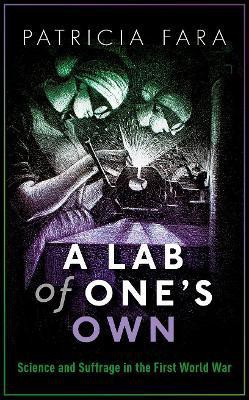
A Lab of One's Own(English, Hardcover, Fara Patricia)
- Fara Patricia
Paperback & Hardcover deals ―
Amazon IndiaGOFlipkart ₹ 1100SnapdealGOSapnaOnlineGOJain Book AgencyGOBooks Wagon₹251Book ChorGOCrosswordGODC BooksGOe-book & Audiobook deals ―
Amazon India GOGoogle Play Books GOAudible GO* Price may vary from time to time.
* GO = We're not able to fetch the price (please check manually visiting the website).
Know about the book -
A Lab of One's Own(English, Hardcover, Fara Patricia) is written by Fara Patricia and published by Oxford University Press. It's available with International Standard Book Number or ISBN identification 0198794983 (ISBN 10) and 9780198794981 (ISBN 13).
Many extraordinary female scientists, doctors, and engineers tasted independence and responsibility for the first time during the First World War. How did this happen? Patricia Fara reveals how suffragists, such as Virginia Woolf's sister, Ray Strachey, had already aligned themselves with scientific and technological progress, and that during the dark years of war they mobilized women to enter conventionally male domains such as science and medicine. Fara tells the stories of women such as: mental health pioneer Isabel Emslie, chemist Martha Whiteley, a co-inventor of tear gas, and botanist Helen Gwynne Vaughan. Women were now carrying out vital research in many aspects of science, but could it last? Though suffragist Millicent Fawcett declared triumphantly that 'the war revolutionised the industrial position of women. It found them serfs, and left them free', the outcome was very different. Although women had helped the country to victory and won the vote for those over thirty, they had lost the battle for equality. Men returning from the Front reclaimed their jobs, and conventional hierarchies were re-established even though the nation now knew that women were fully capable of performing work traditionally reserved for men. Fara examines how the bravery of these pioneer women scientists, temporarily allowed into a closed world before the door clanged shut again, paved the way for today's women scientists. Yet, inherited prejudices continue to limit women's scientific opportunities.
