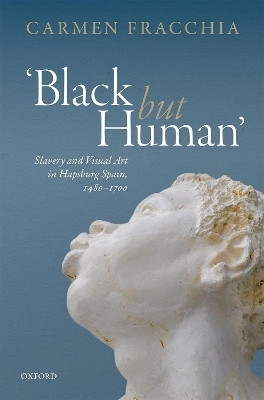
'Black but Human'(English, Hardcover, Fracchia Carmen)
- Fracchia Carmen
Paperback & Hardcover deals ―
Amazon IndiaGOFlipkart ₹ 15808SnapdealGOSapnaOnlineGOJain Book AgencyGOBooks Wagon₹2,371Book ChorGOCrosswordGODC BooksGOe-book & Audiobook deals ―
Amazon India GOGoogle Play Books GOAudible GO* Price may vary from time to time.
* GO = We're not able to fetch the price (please check manually visiting the website).
Know about the book -
'Black but Human'(English, Hardcover, Fracchia Carmen) is written by Fracchia Carmen and published by Oxford University Press. It's available with International Standard Book Number or ISBN identification 0198767978 (ISBN 10) and 9780198767978 (ISBN 13).
'Black but Human' is the first study to focus on the visual representations of African slaves and ex-slaves in Spain during the Hapsburg dynasty. The Afro-Hispanic proverb 'Black but Human' is the main thread of the six chapters and serves as a lens through which to explore the ways in which a certain visual representation of slavery both embodies and reproduces hegemonic visions of enslaved and liberated Africans, and at the same time provides material for critical and emancipatory practices by Afro-Hispanics themselves. The African presence in the Iberian Peninsula between the late fifteenth century and the end of the seventeenth century was as a result of the institutionalization of the local and transatlantic slave trades. In addition to the Moors, Berbers and Turks born as slaves, there were approximately two million enslaved people in the kingdoms of Castile, Aragon and Portugal. The 'Black but Human' topos that emerges from the African work songs and poems written by Afro-Hispanics encodes the multi-layered processes through which a black emancipatory subject emerges and a 'black nation' forges a collective resistance. It is visually articulated by Afro-Hispanic and Spanish artists in religious paintings and in the genres of self-portraiture and portraiture. This extraordinary imagery coexists with the stereotypical representations of African slaves and ex-slaves by Spanish sculptors, engravers, jewellers, and painters mainly in the religious visual form and by European draftsmen and miniaturists, in their landscape drawings and sketches for costume books.
