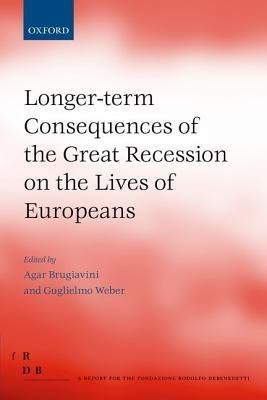
Longer-term Consequences of the Great Recession on the Lives of Europeans(English, Hardcover, unknown)
- unknown
Paperback & Hardcover deals ―
Amazon IndiaGOFlipkart ₹ 2281SnapdealGOSapnaOnlineGOJain Book AgencyGOBooks Wagon₹410Book ChorGOCrosswordGODC BooksGOe-book & Audiobook deals ―
Amazon India GOGoogle Play Books GOAudible GO* Price may vary from time to time.
* GO = We're not able to fetch the price (please check manually visiting the website).
Know about the book -
Longer-term Consequences of the Great Recession on the Lives of Europeans(English, Hardcover, unknown) is written by unknown and published by Oxford University Press. It's available with International Standard Book Number or ISBN identification 0198708718 (ISBN 10) and 9780198708711 (ISBN 13).
The great recession is changing the way many people live and the way they perceive their prospects for the near and more distant future. Its longer term consequences will not be known for some time, but something can be learned from the effect on individuals and households who experienced financial hardship. This volume is the first to use innovative survey data on the lives of Europeans to investigate the long term impact of financial hardship on earnings, standards of living, and health. The data provide a detailed account of the key events that have taken place over the course of the recession. It compares the well-being of individuals who were lucky to escape negative shocks to their income or their circumstances to the less fortunate who may have lost their job, faced divorce, or serious illness. The wide array of welfare state and social support provisions across different European countries adds an important policy angle to the analysis: has the welfare state, currently under heavy pressure, been able to provide an adequate safety net in the face of extended periods of financial difficulties, or has the family instead proven the ultimate source of support in difficult times?
