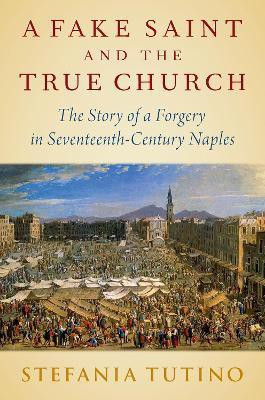
A Fake Saint and the True Church(English, Hardcover, Tutino Stefania)
- Tutino Stefania
Paperback & Hardcover deals ―
Amazon IndiaGOFlipkart ₹ 3617SnapdealGOSapnaOnlineGOJain Book AgencyGOBooks Wagon₹364Book ChorGOCrosswordGODC BooksGOe-book & Audiobook deals ―
Amazon India GOGoogle Play Books GOAudible GO* Price may vary from time to time.
* GO = We're not able to fetch the price (please check manually visiting the website).
Know about the book -
A Fake Saint and the True Church(English, Hardcover, Tutino Stefania) is written by Tutino Stefania and published by Oxford University Press Inc. It's available with International Standard Book Number or ISBN identification 0197578802 (ISBN 10) and 9780197578803 (ISBN 13).
A Fake Saint and the True Church uncovers the remarkable story of a fake saint to tell a tale about truth. It begins at the end of the 1650s, when a large quantity of forged documents suddenly appeared throughout the Kingdom of Naples. Narrating the life and deeds of a previously unknown medieval saint named Giovanni Cala, the trove generated much excitement around the kingdom. No one was more delighted by the news than Carlo Cala, Giovanni's wealthy and politically influential seventeenth-century descendant. Attracted by the prospect of adding a saint to the family tree, Carlo presented Giovanni's case to the Roman Curia. The Catholic authorities, however, immediately realized that the sources were forged, and that Giovanni was not real (let alone holy). Yet, it took more than two decades before the forgery was exposed: why?Vividly reconstructing the intricate case of the supposed saint, Stefania Tutino explores the tensions between historical and theological truth. How much could the truth of doctrine depend on the truth of the facts before religion lost its connection with the supernatural? To what extent could the truth of doctrine ignore the truth of the facts without ending up engulfed in falsity and deceit? How could the absolute truth of theology relate to the far less absolute certainty of human affairs? This story of a fake saint illuminates early modern tensions. But the struggles to distinguish between facts, opinions, and beliefs remain with us. Examining, as this book does, how our predecessors dealt with the relationship between truth and authenticity guides us too in thinking through what is true and what is not.
