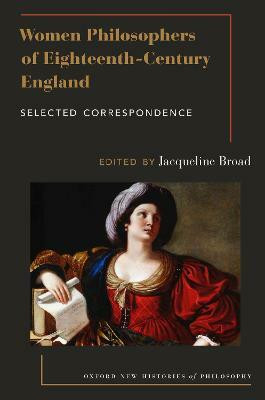
Women Philosophers of Eighteenth-Century England(English, Hardcover, unknown)
- unknown
Paperback & Hardcover deals ―
Amazon IndiaGOFlipkart ₹ 3283SnapdealGOSapnaOnlineGOJain Book AgencyGOBooks Wagon₹319Book ChorGOCrosswordGODC BooksGOe-book & Audiobook deals ―
Amazon India GOGoogle Play Books GOAudible GO* Price may vary from time to time.
* GO = We're not able to fetch the price (please check manually visiting the website).
Know about the book -
Women Philosophers of Eighteenth-Century England(English, Hardcover, unknown) is written by unknown and published by Oxford University Press Inc. It's available with International Standard Book Number or ISBN identification 0197506984 (ISBN 10) and 9780197506981 (ISBN 13).
This is the second of two collections of correspondence written by early modern English women philosophers. In this volume, Jacqueline Broad presents letters from three influential thinkers of the eighteenth century: Mary Astell, Elizabeth Thomas, and Catharine Trotter Cockburn. Broad provides introductory essays for each figure and explanatory annotations to clarify unfamiliar language, content, and historical context for the modern reader. Her selections make available many letters that have never been published before or that live scattered in various archives, obscure manuscripts, and rare books. The discussions range in subject from moral theology and ethics to epistemology and metaphysics; they involve some well-known thinkers of the period, such as John Norris, George Hickes, Mary Chudleigh, John Locke, and Edmund Law. By centering epistolary correspondence, Broad's anthology works to reframe early modern philosophy, the foundation for so much of twentieth-century philosophy, as consisting of collaborative debates that women actively participated in and shaped. Together with its companion volume, Women Philosophers of Eighteenth-Century England: Selected Correspondence is an invaluable primary resource for students, scholars, and those undertaking further research in the history of women's contributions to the formation and development of early modern thought.
